



- NEW DVD Series – Stone Setting with Bezels
- Tube Set Charm by Kim St. Jean
- Prong Basket Pendant by Kim St. Jean
- NEW DVD Series – Stone Setting with Cold Connections
- New DVD Series – Stone Setting with Wire
- NEW DVD Series: Introduction to Stone Setting by Kim St. Jean
- Featured Tool: Bracelet Bending Plier
- NEW Dvd by Eva Sherman
- Fun, Fast Fold Forming DVD Series
- Double Band Ear Cuff from Alex Simkin
Part 2: What Type of Wire Should I Use?

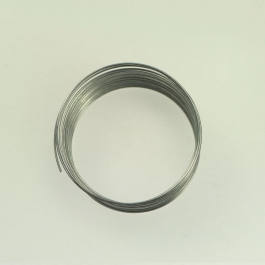
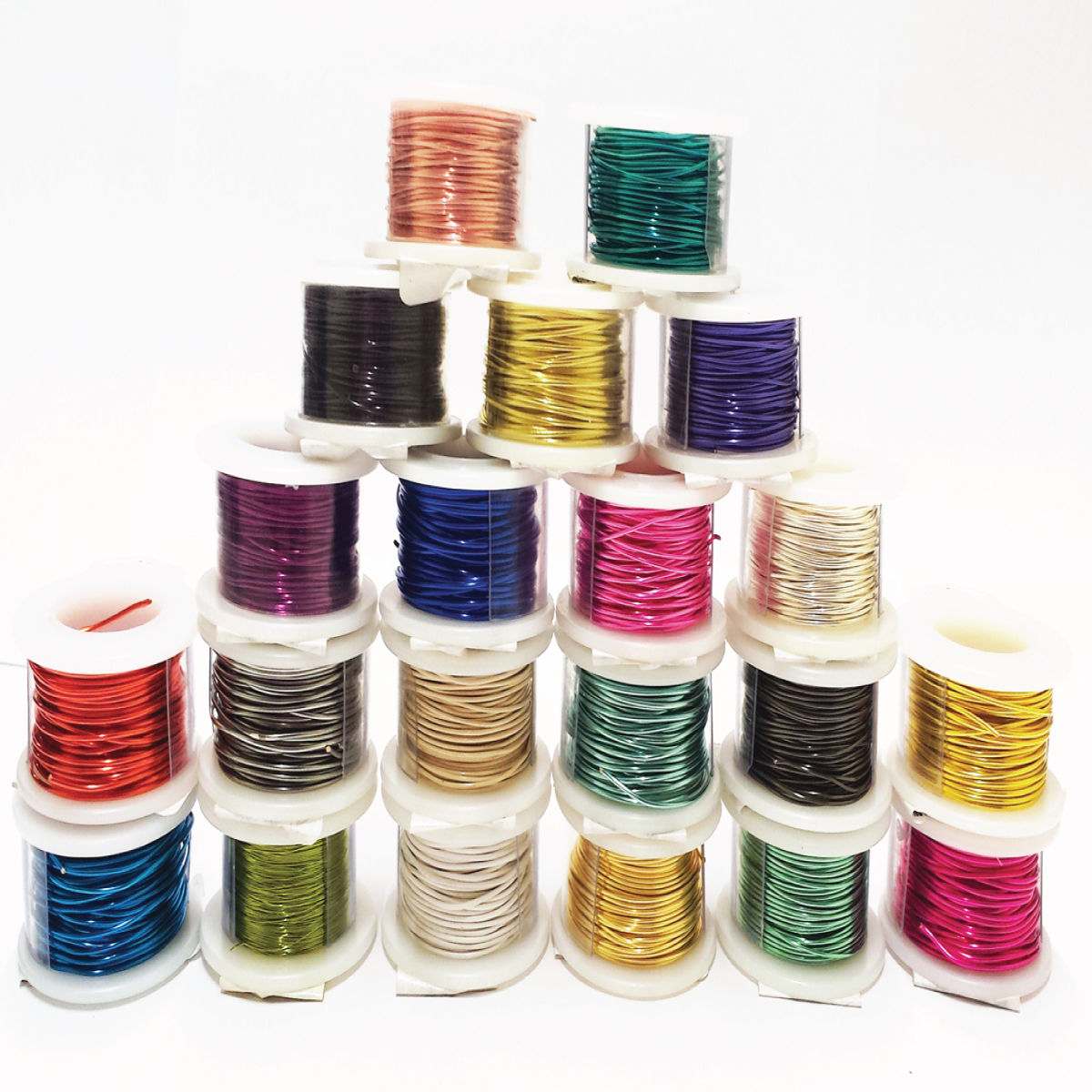
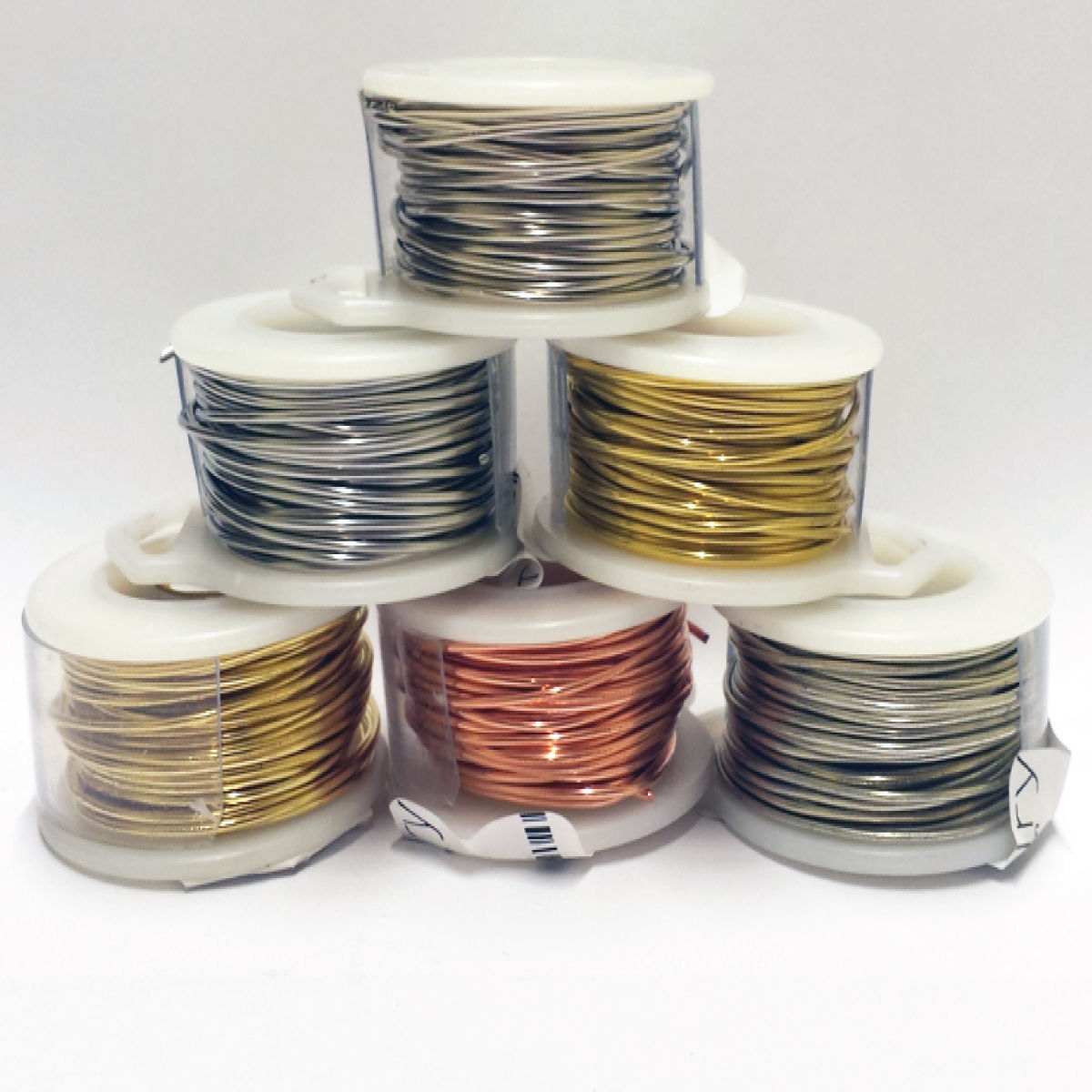
Trying to figure out what types of wire to use can be a most difficult process when beginning to make jewelry. One of our previous articles addressed how to choose a wire temper. This article will discuss how to choose the wire gauge for an upcoming jewelry project. Remember, the larger the number of the gauge, the thinner the wire.
 |
|
 |
 |
 |
 |
 |
 |
 |
 |
 |
 |
 |
 |
 |
To Find the Jewelry Wire You’re Looking For – Click Here!
28-34 gauge
The wires’ diameter measures from 0.013-.006 inches or 0.32-.16 millimeters. This is EXTREMELY fine wire. Wires with these gauges tend to kink and bend a lot —nylon jaw pliers will need to be used. Is great for wire wrapping using small beads, wire weaving, and wire crocheting.
26 gauge
The diameter of this wire measures at .016 inches or .41 millimeters. Again, this is very thin wire and nylon jaw pliers and fine-tipped tools should be used. Is good for wire wrapping beads and seed bead jewelry.
24 gauge
The diameter measures 0.020 inches or 0.51 millimeters. This is still considered fine wire and the nylon jaw pliers are recommended when it gets kinks. Great when using pearls and small crystals.
22 gauge
The diameter measures 0.025″ inches or 0.64 millimeters. This gauge is ideal to use when 20-gauge is just a bit too thick. This is a wonderful multipurpose wire and is excellent for wire wrapping beads and semi-precious stones.
20 gauge
20 gauge wire measures 0.032″ or .81 millimeters in diameter. This is considered a medium wire in jewelry making and, just as the 22 gauge, it is a fantastic multipurpose wire. Works well for making ear wires, clasps, and headpins as well as wrapping glass and coiled beads. It is also recommended when making bracelets.
18 gauge
Measures 0.040 inches or 1.02 millimeters in diameter. Is considered medium thick wire in jewelry making. Works well for making clasps, wire wrapping beads with large holes, bracelet making, and earrings.
16 gauge
Measures 0.051 inches or 1.29 millimeters in diameter. This is a thick wire. It is recommended that heavy duty tools are used when manipulating this wire. It is not recommended for the beginner. Can be used for neckwires, rings, and bracelet bases.
To Find the Jewelry Wire You’re Looking For – Click Here!
If you missed out on Part 1 – Click Here to Read Now!
Related Posts
22 Comments

Wire Jewelry Ideas
-
 See Yourself as a Creative Thinker-Part IV By Karen Meador, PhD
Wire Jewelry Article for September 27th, 2017 If...
- September 27, 2017
-
 See Yourself as a Creative Thinker-Part III By Karen Meador, PhD
Wire Jewelry Article for September 20th, 2017 If...
- September 20, 2017
-
 See Yourself as a Creative Thinker-Part II By Karen Meador, PhD
Wire Jewelry Article for September 13th, 2017 If you...
- September 13, 2017
-
 See Yourself as a Creative Thinker By Karen Meador PhD
Wire Jewelry Article for September 6th, 2017 This is...
- September 6, 2017

Design & Inspiration
-
 Free Pattern: Smile Cluster Necklace by Karen Meador
by Judy Ellis, Wirejewelry.com Wire Jewelry Pattern for August...
- August 7, 2017
-
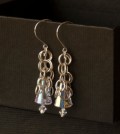 Free Pattern: Long crystal round maille earrings by Kylie Jones
by Judy Ellis, Wirejewelry.com Wire Jewelry Pattern for August...
- August 3, 2017
-
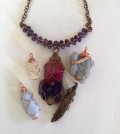 Free Pattern: Stone Twist Wrap by Karen Meador
by Judy Ellis, Wirejewelry.com Wire Jewelry Pattern for July...
- July 31, 2017
-
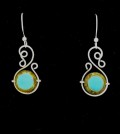 Free Pattern: Floating Bead Earrings By Kimberly Newman
by Judy Ellis, Wirejewelry.com Wire Jewelry Pattern for July...
- July 27, 2017
Featured Tools
-
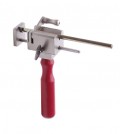 Get to Know Your Hand Tools – Tube-Cutting Jig By Helen I. Driggs
by Judy Ellis, Wirejewelry.com Wire Jewelry Tip for August...
- August 4, 2017
-
 Wire Jewelry Video: Using Punch Pliers by Judy Freyer Thompson
by Judy Ellis, Wirejewelry.com Wire Jewelry Tip for August...
- August 2, 2017
-
 Wire Jewelry Video: Aligning a Hole Punch by Judy Freyer Thompson
by Judy Ellis, Wirejewelry.com Wire Jewelry Tip for July...
- July 26, 2017
-
 Get to Know Your Hand Tools – Wire Cutters – Helen I. Driggs
by Judy Ellis, Wirejewelry.com Wire Jewelry Tip for July...
- July 25, 2017
Joan L Dillon
April 9, 2009 at 7:28 pm
Great Information. Thank you!
Paula Eilbott
April 9, 2009 at 7:37 pm
Very nice to have wire information in a simple and easy to use format. Thanks! Paula
Sandra Brandon
April 9, 2009 at 7:38 pm
I like your tips. They help me a lot.
“what type of wire should I use” I’m sure this will help me very much. Thank you
Tara
April 9, 2009 at 8:56 pm
This is excellent directions,and explanation as to what to use the wire for.Thanks a bunch Miss Firman
Pingback: Part 1 - What Type of Wire Should I Use? :Artisans of Wire jewelry
Lynn
April 9, 2009 at 9:53 pm
I always worried about not using the right gauge, thank you for this information, it will be very helpful.
Marie B.
April 9, 2009 at 11:01 pm
Thanks for the great information,have always wondered about all the diferent gauges.
norman hamley
April 10, 2009 at 3:34 am
Very informative, just what the doctor ordered. Keep up the good work.
Pam
April 10, 2009 at 7:32 am
Thank you so much for providing this – I’m just starting out with wire-wrapping, and this will be VERY helpful!
Jamie
April 10, 2009 at 9:09 am
Great information for the beginer! Would be great for beginers to also know what half hard, hard, and dead soft are use for!
flabio13
April 10, 2009 at 10:51 am
I like this it great to have at my finger tip.
joni
April 10, 2009 at 11:21 am
Thanks I will keep this as I get started Thanks.
Jacqueline Duncan
April 10, 2009 at 11:35 am
Brilliant – well done and about time!! Merci beaucoup mon ami.
Chynai
April 10, 2009 at 11:41 am
This is a great help. Thank you so much.
AngelaWC
April 10, 2009 at 12:45 pm
This is great information to remember. Thanks!
Dee
April 15, 2009 at 9:27 am
Very useful info. Working wire is my fave way of jewellery making.
Pingback: What Type of Wire Should I Use
Helen L. Crisman
October 26, 2010 at 8:47 pm
Thank you so much for printing this again.
Very Helpful and will keep in my folder.
Kathy Bloom
December 26, 2010 at 2:13 pm
Dale, recently discovered that I have severe arthritis in both of my hands. In fact I will need surgery within the next year or so. I have discovered that using half hard wire is quite painful especially after I have worked with it for awhile. Can I successfully use dead soft wire in my designs if I tumble them afterwards? If so, what kind of shot do I use and for how long?
dalecgr
December 26, 2010 at 10:46 pm
Hi Kathy,
I also have arthritis, so I understand your unfortunate plight. (There are some days when I can not perform some techniques either.) May I suggest that even if you do replace your ‘regular’ half hard base wires with soft that you continue to use half round half hard; as I have found that soft half round just does not have the power of half hard, and you will be disappointed at having to use a lot more to get the effects you desire.
A lot of folks use soft wire and then tumble it to harden their finished items. The article Tumbling Your Jewelry will give you a lot of answers, as well as searching our blog for ‘tumbling wire jewelry’.
On ‘good’ days make the difficult items and on ‘bad’ days, play!
Kathy Bloom
December 27, 2010 at 2:06 pm
Thanks Dale. I have a rotary tumbler and I think I will look into getting a vibrating tumbler as I think that one will be easier on any stones I use I my designs.
sheila dovile
January 2, 2011 at 2:54 pm
thank you for this. it is great to know i have arthritis in both hands and wrists. just starting to wire jewelry so this is great to know..