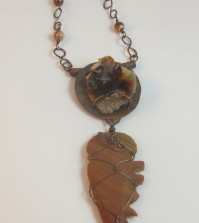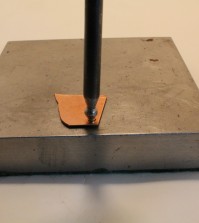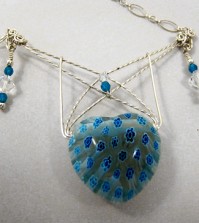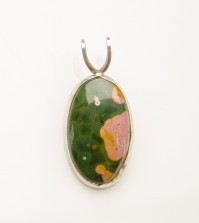



- NEW DVD Series – Stone Setting with Bezels
- Tube Set Charm by Kim St. Jean
- Prong Basket Pendant by Kim St. Jean
- NEW DVD Series – Stone Setting with Cold Connections
- New DVD Series – Stone Setting with Wire
- NEW DVD Series: Introduction to Stone Setting by Kim St. Jean
- Featured Tool: Bracelet Bending Plier
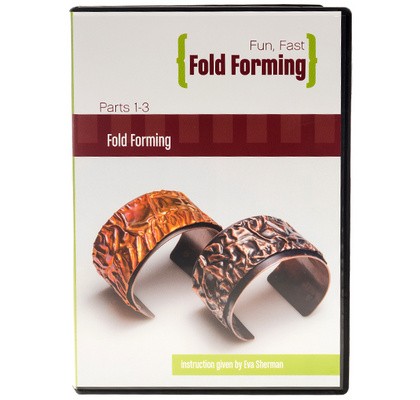
- NEW Dvd by Eva Sherman
- Fun, Fast Fold Forming DVD Series
- Double Band Ear Cuff from Alex Simkin
-
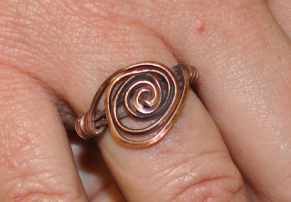
The 5-Minute, 5-Things Ring
by Judy Ellis, Wire-Sculpture.com Daily Wire Jewelry Tip May 15th, 2015 A 5-Minute Project for 5-15-15...
-
NEW Products for Spring
New Product Tip March 27, 2015 NEW Wire Jewelry Products! We are always adding new...
-
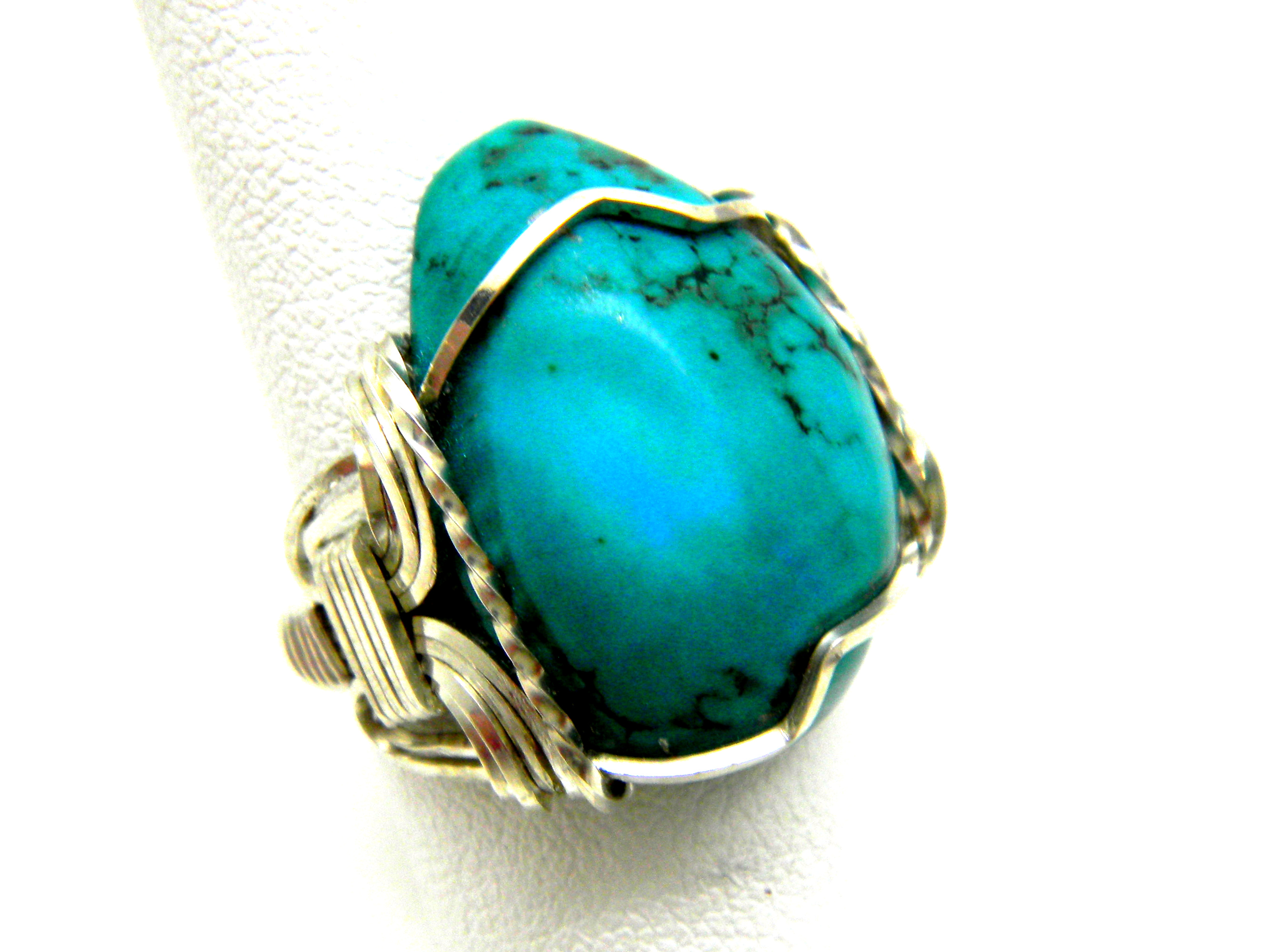
Spring Cleaning… Ring Cleaning!
by Judy Ellis, Wire-Sculpture.com Daily Wire Jewelry Tip February 17, 2015 Spring Cleaning… Ring Cleaning! It...
-
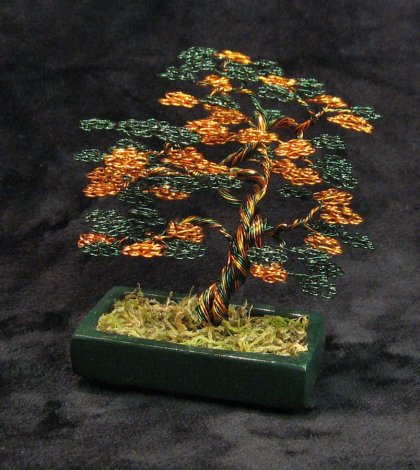
2014 Craft Wire Contest Winners!
by Judy Ellis, Wire-Sculpture.com Tip for April 9, 2014 Craft Wire Contest Winners! We’ve held contests...
-
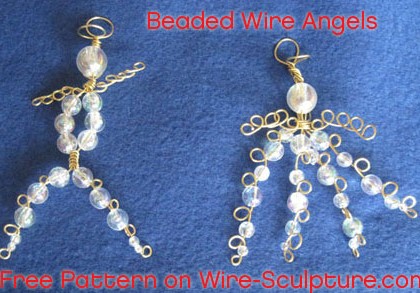
Jewelry Resource Dec. 19: Wired Christmas Patterns
by Rose Marion, Wire-Sculpture.com Wire Jewelry Resource for December 19, 2012 Christmas Wire Jewelry Patterns This...
-
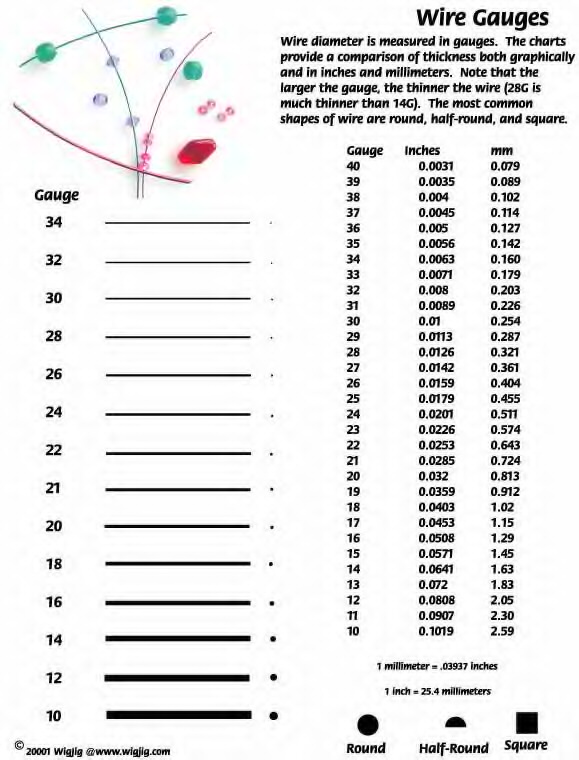
Free Resources on Wire-Sculpture, and How YOU Can be Featured!
by Rose Marion, Wire-Sculpture.com I wanted to take just a minute and highlight some of the...
-
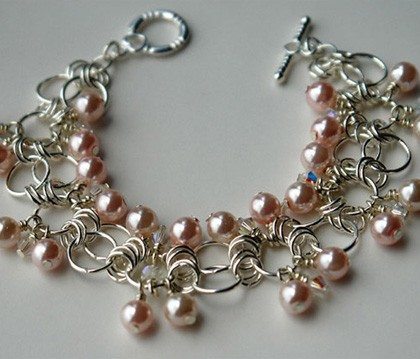
Free Wire Jewelry References, Patterns & Inspiration on Wire-Sculpture.com
by Rose Marion, Wire-Sculpture.com Dale’s taking the week off to be with her family, helping her...
-

Daily Wire Tip June 23: Button Wire Jewelry Ideas
Daily Wire Jewelry Making Tip for June 23, 2011 Question: I have several buttons that I’ve...
-

Daily Wire Tip May 30: Wire Jewelry to Make as You Sell
Daily Wire Jewelry Making Tip for May 30, 2011 Question: Hi Dale, now that we are...
-
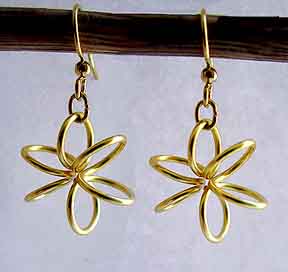
Daily Wire Tip: Projects with 18-Gauge Wire
Daily Wire Jewelry Making Tip December 7, 2010 Question: I made a mistake, and bought multiple...
Featured Tools
-
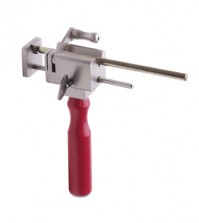
Get to Know Your Hand Tools – Tube-Cutting Jig By Helen I. Driggs
by Judy Ellis, Wirejewelry.com Wire Jewelry Tip for August 4th, 2017 Get...
Wire Jewelry Projects


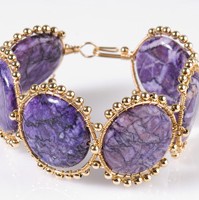
Design & Inspiration
-
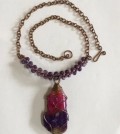 Free Pattern: Smile Cluster Necklace by Karen Meador
by Judy Ellis, Wirejewelry.com Wire Jewelry Pattern for August 7th, 2017 Smile Cluster Necklace...
- August 7, 2017
-
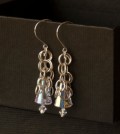 Free Pattern: Long crystal round maille earrings by Kylie Jones
by Judy Ellis, Wirejewelry.com Wire Jewelry Pattern for August 3rd, 2017 Long crystal round...
- August 3, 2017
-
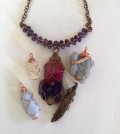 Free Pattern: Stone Twist Wrap by Karen Meador
by Judy Ellis, Wirejewelry.com Wire Jewelry Pattern for July 31st, 2017 Stone Twist Wrap...
- July 31, 2017
-
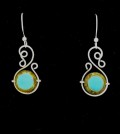 Free Pattern: Floating Bead Earrings By Kimberly Newman
by Judy Ellis, Wirejewelry.com Wire Jewelry Pattern for July 27th, 2017 Floating Bead Earrings...
- July 27, 2017
Free Wire Jewelry Videos
-
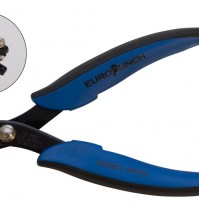 Wire Jewelry Video: Using Punch Pliers by Judy Freyer Thompson
by Judy Ellis, Wirejewelry.com Wire Jewelry Tip for August 2nd,...
- August 2, 2017
-
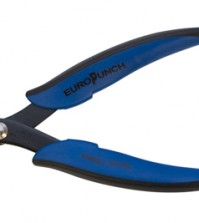 Wire Jewelry Video: Aligning a Hole Punch by Judy Freyer Thompson
by Judy Ellis, Wirejewelry.com Wire Jewelry Tip for July 26th,...
- July 26, 2017
Latest News
-
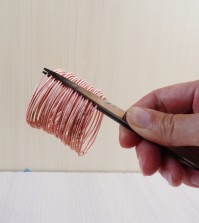 Tips for Working with Copper By Oksana Truhan
by Judy Ellis, Wirejewelry.com Wire Jewelry Tip for August 1st, 2017 Tips for Working with Copper by Oksana Truhan Raw copper wire is my favorite metal to work...
- August 1, 2017
-
 Free Pattern: Stone Twist Wrap by Karen Meador
by Judy Ellis, Wirejewelry.com Wire Jewelry Pattern for July 31st, 2017 Stone Twist Wrap by Karen Meador This wrap is a good way to showcase any unusual shaped stone....
- July 31, 2017
-
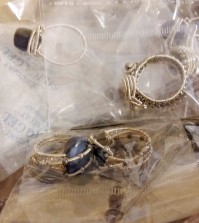 Choose and store your silver-plated wires wisely – By Delilah
by Judy Ellis, Wirejewelry.com Wire Jewelry Tip for July 28th, 2017 Choose and store your silver-plated wires wisely by Delilah There are two kinds of silver plated wires:...
- July 28, 2017
-
 Free Pattern: Floating Bead Earrings By Kimberly Newman
by Judy Ellis, Wirejewelry.com Wire Jewelry Pattern for July 27th, 2017 Floating Bead Earrings by Kimberly Newman These pretty earrings showcase a beautiful Czech glass bead. I love these...
- July 27, 2017
-
Wire Jewelry Video: Aligning a Hole Punch by Judy Freyer Thompson
by Judy Ellis, Wirejewelry.com Wire Jewelry Tip for July 26th, 2017 Aligning a Hole Punch by Judy Freyer Thompson Check out this great video from Judy Freyer Thompson on...
- July 26, 2017
-
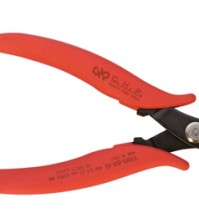 Get to Know Your Hand Tools – Wire Cutters – Helen I. Driggs
by Judy Ellis, Wirejewelry.com Wire Jewelry Tip for July 25th, 2017 Get to Know Your Hand Tools – Wire Cutters by Helen I. Driggs Like metal snips, wire...
- July 25, 2017
-
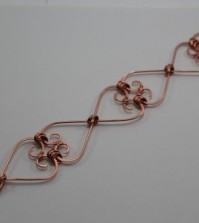 Free Pattern: Heart Frame Bracelet by Abby Hook
by Judy Ellis, Wirejewelry.com Wire Jewelry Pattern for July 24th, 2017 Heart Frame Bracelet by Abby Hook Repetition of a simple shape in a design can create a striking...
- July 24, 2017
-
 Get to Know Your Hand Tools – Metal Snips – Helen I. Driggs
by Judy Ellis, Wirejewelry.com Wire Jewelry Tip for July 21st, 2017 Get to Know Your Hand Tools – Metal Snips by Helen I. Driggs Metal snips are useful...
- July 21, 2017
-
 Free Pattern: Let’s Dance Earrings By Tracy Stanley
by Judy Ellis, Wirejewelry.com Wire Jewelry Pattern for July 20th, 2017 Let’s Dance Earrings by Tracy Stanley Earrings! A girl can never have too many!! These fun earring will...
- July 20, 2017
-
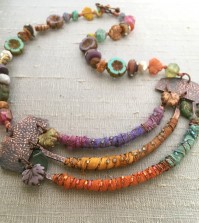 Color Inspiration: Summer Flowers By Heather Powers
Wire Jewelry Article for July 19th, 2017 Tis the season for fresh cut flowers and beautiful bouquets. The wonderful thing about flower arrangements is that someone has already gone...
- July 19, 2017
-
 Three Easy Headpins from Wire! By Denise Peck
by Judy Ellis, Wirejewelry.com Wire Jewelry Tip for July 18th, 2017 Three Easy Headpins from Wire! by Denise Peck Using a handmade finding can mean the difference between a...
- July 18, 2017
-
 Free Pattern: Balled Wire Gemstone Ring By Delilah
by Judy Ellis, Wirejewelry.com Wire Jewelry Pattern for July 17th, 2017 Balled Wire Gemstone Ring by Delilah This design uses so little wire that many of you will be...
- July 17, 2017
-
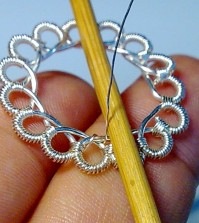 Create Beautiful Wire Crochet with No Special Tools!
by Judy Ellis, Wirejewelry.com Wire Jewelry Tip for July 14th, 2017 Create Beautiful Wire Crochet with No Special Tools! by delilah You can work up beautiful wire crochet pieces...
- July 14, 2017
-
 Free Pattern: Heart Pendant By Oksana Truhan
by Judy Ellis, Wirejewelry.com Wire Jewelry Pattern for July 13th, 2017 Heart Pendant by Oksana Truhan This heart framed pendant is filled with freeform weaving and beads. That means,...
- July 13, 2017
-
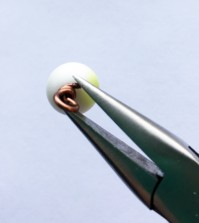 The Five Cs of Wire Wrapping: Step 5 Clean By Melissa Cable
by Judy Ellis, Wirejewelry.com Wire Jewelry Tip for July 12th, 2017 The Five Cs of Wire Wrapping: Step 5 Clean by Melissa Cable The final step of a perfect...
- July 12, 2017
-
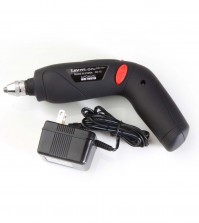 Get to Know Your Hand Tools – The Hand Drill by Helen I. Driggs
by Judy Ellis, Wirejewelry.com Wire Jewelry Tip for July 11th, 2017 The Hand Drill by Helen I. Driggs Lovers of twisted wire take note: A hand drill will change...
- July 11, 2017



Promotions
-
 JOGS 2017 – Chain mail, wrapping and beading
by Judy Ellis, Wirejewelry.com Wire Jewelry Tip for December...
- December 5, 2016
-
 JOGS 2017 – Color on Metal and Beads
by Judy Ellis, Wirejewelry.com Wire Jewelry Tip for November...
- November 28, 2016
-
 JOGS 2017 – Metal Sheet and Chainmail
by Judy Ellis, Wirejewelry.com Wire Jewelry Tip for November...
- November 21, 2016
-
 Explore JOGS Instructors
by Judy Ellis, Wirejewelry.com Wire Jewelry Tip for October...
- October 3, 2016

-
 See Yourself as a Creative Thinker-Part IV By Karen Meador, PhD
Wire Jewelry Article for September 27th, 2017 If...
- September 27, 2017
-
 See Yourself as a Creative Thinker-Part III By Karen Meador, PhD
Wire Jewelry Article for September 20th, 2017 If...
- September 20, 2017
-
 See Yourself as a Creative Thinker-Part II By Karen Meador, PhD
Wire Jewelry Article for September 13th, 2017 If you...
- September 13, 2017
-
 See Yourself as a Creative Thinker By Karen Meador PhD
Wire Jewelry Article for September 6th, 2017 This is...
- September 6, 2017
-
Gem Profile Contest: Name That Rock! (Contest is Over)
by Rose Marion, Wire-Sculpture.com Gem Profile Contest forApril 13,...
- April 13, 2012
-
Daily Wire Tip: Prevent Tarnish on Copper and Nickel Silver
Daily Wire Jewelry Making Tip Question: This is not...
- September 4, 2010
-
Gem Profile Contest! Name that Rock!
by Rose Marion, Wire-Sculpture.com Gem Profile Contest for January...
- January 20, 2012
-
A message from Rose: Good-bye!
by Rose Marion, Wire-Sculpture.com A message from Rose for...
- November 6, 2013