



- NEW DVD Series – Stone Setting with Bezels
- Tube Set Charm by Kim St. Jean
- Prong Basket Pendant by Kim St. Jean
- NEW DVD Series – Stone Setting with Cold Connections
- New DVD Series – Stone Setting with Wire
- NEW DVD Series: Introduction to Stone Setting by Kim St. Jean
- Featured Tool: Bracelet Bending Plier
- NEW Dvd by Eva Sherman
- Fun, Fast Fold Forming DVD Series
- Double Band Ear Cuff from Alex Simkin
All posts tagged "gemstones"
-
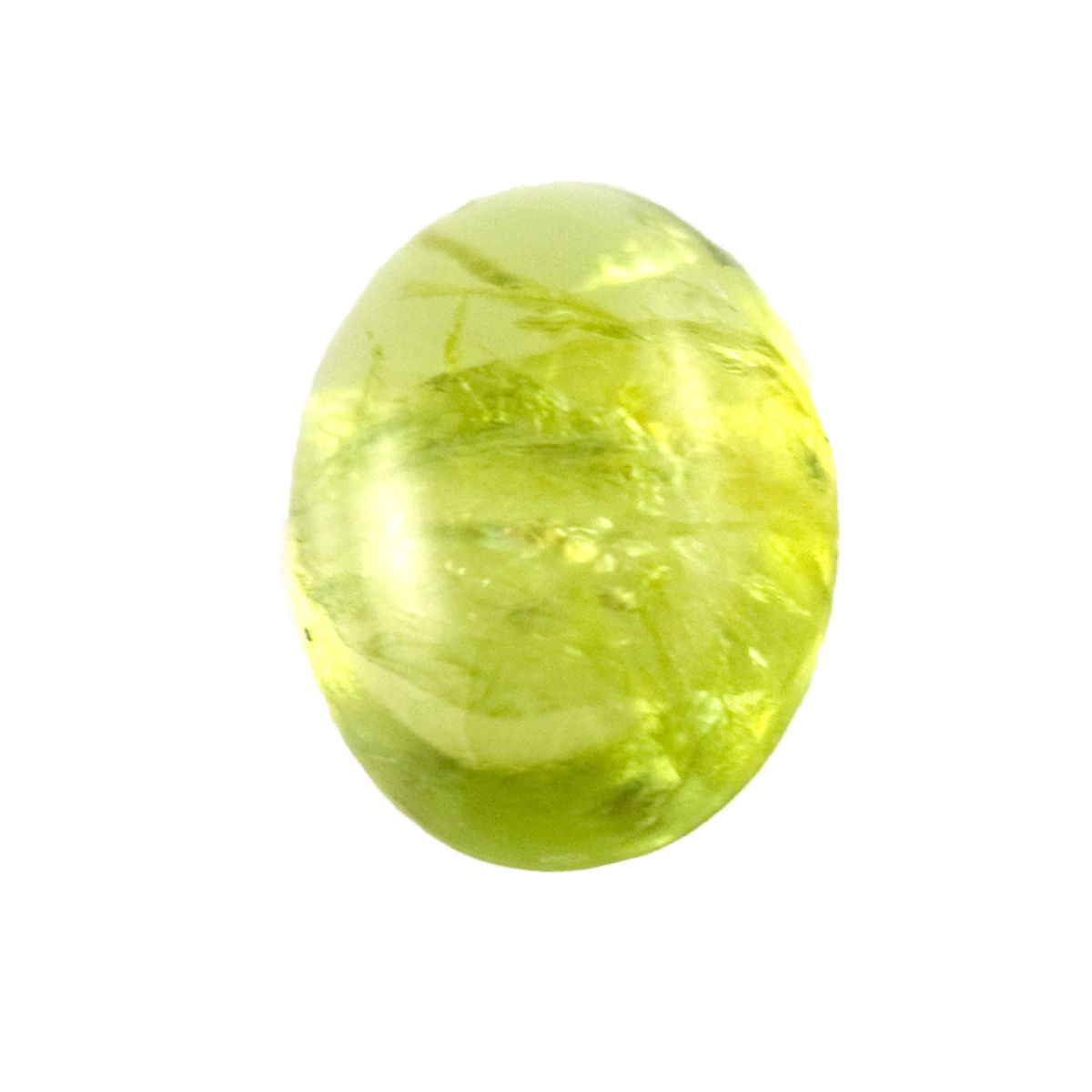 August Birthstones – Peridot and Sardonyx
by Judy Ellis, Wire-Sculpture.com Daily Wire Jewelry Tip July 29th, 2015 August Birthstone – Peridot and Sardonyx It’s starting to feel a bit like Fall is peaking around the corner, and even though I’m not ready to...
- Posted July 29, 2015
-
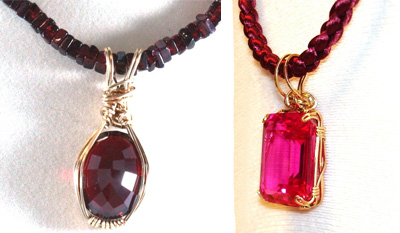 July Birthstone – The Ruby
by Judy Ellis, Wire-Sculpture.com Daily Wire Jewelry Tip July 8th, 2015 July Birthstone – The Ruby Rubies, the birthstone of July, are considered the king of gems and represent love, health and wisdom. It was believed wearing...
- Posted July 8, 2015
-
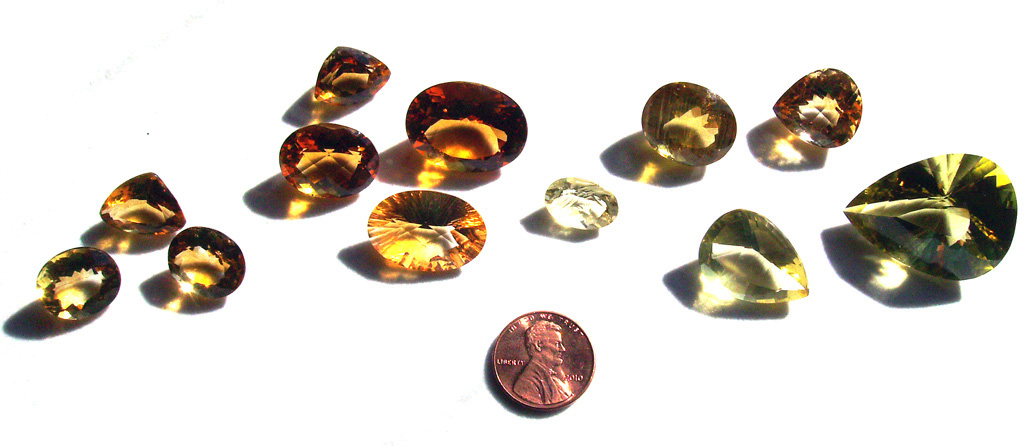 Gemstone Ratings
by Judy Ellis, Wire-Sculpture.com Daily Wire Jewelry Making Tip November 7, 2014 Today we answer a question from another of our readers. I’m sure many of us have had the same question at one time or another...
- Posted November 7, 2014
-
Fall into Fall Jewelry Making
by Judy Ellis, Wire-Sculpture.com Wire Jewelry Tip for Sept 3, 2014 Fall into Fall Jewelry Making Fall is when the leaves come down and the kids return to school and our lives shift from leisure trips and...
- Posted September 3, 2014
-
How Gemstones Are Cut – Revisited
by Judy Ellis, Wire-Sculpture.com Wire Jewelry Resource for August 13, 2014 How Gemstones Are Cut – Revisited Today we revisit a great video that we featured a couple of years ago. John Dyer is one of the...
- Posted August 13, 2014
-
Gem Profile August 30: Maw Sit Sit
by Layna Palmer, Wire-Sculpture.com Maw Sit Sit Gemstones In my pursuit of unusual gems to bring to your attention, I came across one that is unusually pretty and the name is just incredible! Maw Sit Sit, pronounced...
- Posted August 30, 2013
-
Gem Profile May 3: Apatite
by Layna Palmer, Wire-Sculpture.com All About Apatite Shop New Bead Selection | Shop Apatite beads| Shop All Cabochons We’ve all played the game “One of these things is not like the other …” OK, here goes: fertilizer,...
- Posted May 3, 2013
-
Gem Profile Dec. 21: Turquoise Types
by Layna Palmer, Wire-Sculpture.com Turquoise, Part 2 Shop Turquoise on Wire-Sculpture As we learned last week, Turquoise is not only a beautiful blue color, but also a stone and a gem! Turquoise has been prized through the...
- Posted December 21, 2012
-
Jewelry Making Resource May 16: Gemstone Faceting
Wire Jewelry Idea May 16: Good and Bad Gemstone Faceting by Rose Marion, Wire-Sculpture.com Video by John Dyer If you have the budget for quality cut stones, you have to check out this video by John Dyer....
- Posted May 16, 2012
-
Daily Wire Tip August 23: Books for Identifying Rocks & Gems
Daily Wire Jewelry Making Tip for August 23, 2011 Question: Hi, I was wondering what book(s) you would recommend buying to identify rocks and gemstones? Thank you. -Nikki in Brentwood, California Answer: Hi Nikki, oh my goodness!...
- Posted August 22, 2011
-
Daily Wire Tip: Wire Wrapping Large Cabochons
Daily Wire Jewelry Making Tip Question: I have several stones that I bought before I found out about wire wrapping. They are considerably bigger than the cabs that you use to show us to wrap with, about...
- Posted January 24, 2011
-
Daily Wire Tip Jan. 14: Cabochons for Wire Wrapping
Daily Wire Jewelry Making Tip for January 14, 2011 Question: Hi Dale, I’ve got your book and am ready to order a cab or two to practice. Is there a difference between cabs for wire wrapping and...
- Posted January 13, 2011
-
Daily Wire Tip Sept. 21: Emerald-Cut Stones
Daily Wire Jewelry Making Tip for September 21, 2010 Question: When seeking emerald-cut stones, what do I need to request in order to get stones beveled on the corners to facilitate prong placement? -Nancy in Ellijay, Georgia...
- Posted September 20, 2010
-
Daily Wire Tip Aug. 15: Snapsets and Kiln-Fired Glass
Daily Wire Jewelry Making Tip August 15, 2010 Question: Can you use kiln-fired glass pieces you make yourself in snapsets? -Diane in Nuevo, California Answer: I see no reason you couldn’t use snapsets on your handcrafted glass....
- Posted August 14, 2010
-
Daily Wire Tip Aug. 10: Identifying Rocks & Minerals
Daily Wire Jewelry Making Tip August 10, 2010 Question: I have been collecting rocks for a while, but I don’t know how to identify them. How can I learn how to identify the rocks I find? -Terri...
- Posted August 9, 2010
-
Daily Wire Tip Aug. 9: Proper Care of Pearls and Opals
Daily Wire Jewelry Making Tip August 9, 2010 Question: What does “dehydrated” mean when it comes to certain types of semi-precious stones and pearls? -Lorraine in Alamosa, Colorado Answer: The pearl is one of my favorite gemstones,...
- Posted August 8, 2010

Wire Jewelry Ideas
-
 See Yourself as a Creative Thinker-Part IV By Karen Meador, PhD
Wire Jewelry Article for September 27th, 2017 If...
- September 27, 2017
-
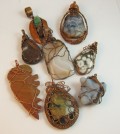 See Yourself as a Creative Thinker-Part III By Karen Meador, PhD
Wire Jewelry Article for September 20th, 2017 If...
- September 20, 2017
-
 See Yourself as a Creative Thinker-Part II By Karen Meador, PhD
Wire Jewelry Article for September 13th, 2017 If you...
- September 13, 2017
-
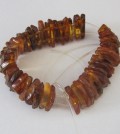 See Yourself as a Creative Thinker By Karen Meador PhD
Wire Jewelry Article for September 6th, 2017 This is...
- September 6, 2017

Design & Inspiration
-
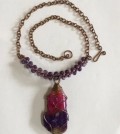 Free Pattern: Smile Cluster Necklace by Karen Meador
by Judy Ellis, Wirejewelry.com Wire Jewelry Pattern for August...
- August 7, 2017
-
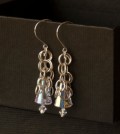 Free Pattern: Long crystal round maille earrings by Kylie Jones
by Judy Ellis, Wirejewelry.com Wire Jewelry Pattern for August...
- August 3, 2017
-
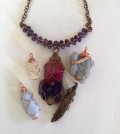 Free Pattern: Stone Twist Wrap by Karen Meador
by Judy Ellis, Wirejewelry.com Wire Jewelry Pattern for July...
- July 31, 2017
-
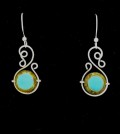 Free Pattern: Floating Bead Earrings By Kimberly Newman
by Judy Ellis, Wirejewelry.com Wire Jewelry Pattern for July...
- July 27, 2017
Featured Tools
-
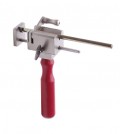 Get to Know Your Hand Tools – Tube-Cutting Jig By Helen I. Driggs
by Judy Ellis, Wirejewelry.com Wire Jewelry Tip for August...
- August 4, 2017
-
 Wire Jewelry Video: Using Punch Pliers by Judy Freyer Thompson
by Judy Ellis, Wirejewelry.com Wire Jewelry Tip for August...
- August 2, 2017
-
 Wire Jewelry Video: Aligning a Hole Punch by Judy Freyer Thompson
by Judy Ellis, Wirejewelry.com Wire Jewelry Tip for July...
- July 26, 2017
-
 Get to Know Your Hand Tools – Wire Cutters – Helen I. Driggs
by Judy Ellis, Wirejewelry.com Wire Jewelry Tip for July...
- July 25, 2017