



- NEW DVD Series – Stone Setting with Bezels
- Tube Set Charm by Kim St. Jean
- Prong Basket Pendant by Kim St. Jean
- NEW DVD Series – Stone Setting with Cold Connections
- New DVD Series – Stone Setting with Wire
- NEW DVD Series: Introduction to Stone Setting by Kim St. Jean
- Featured Tool: Bracelet Bending Plier
- NEW Dvd by Eva Sherman
- Fun, Fast Fold Forming DVD Series
- Double Band Ear Cuff from Alex Simkin
All posts tagged "how to make wire wrap jewelry"
-
FREE Jewelry Course
by Judy Ellis, Wire-Sculpture.com Wire Tip for July 30, 2014 FREE E-COURSE: 7-Part Jewelry Course Do you enjoy learning? We all know that learning a new skill can be exciting and sometimes frustrating, so this week I...
- Posted July 30, 2014
-
Jewelry Wire for Wrapped Rings
by Judy Ellis, Wire-Sculpture.com Wire Jewelry Tip June 19, 2014 Jewelry Wire for Wrapped Rings We always get questions about the best kind gauge and type of wire to use for certain projects: This is a...
- Posted June 20, 2014
-
Taking Your Wire Jewelry Making to the Next Level.
by Judy Ellis, Wire-Sculpture.com Jewelry Inspiration for May 23, 2014 Taking your Wire Jewelry Making to the Next Level! It’s a long weekend, and hope you are looking forward to some rest and relaxation. Today I...
- Posted May 23, 2014
-
Wire Jewelry Resources July 31: Resource Center
by Narlene Allen, Wire-Sculpture.com Wire Jewelry Tip for July 31, 2013 Onine Resource Center Wire Measurement Conversion Tables As some of you may remember, last Friday I filled in for Layna and we took a quick look...
- Posted July 31, 2013
-
Daily Wire Tip May 16: The Best Wire Temper for Prong Rings
Daily Wire Jewelry Making Tip for May 16, 2011 Question: I recently purchased some beautiful faceted stones from Wire-Sculpture, and now I want to wrap them into a ring using gold filled wire 22-gauge dead soft. Everything...
- Posted May 16, 2011

Wire Jewelry Ideas
-
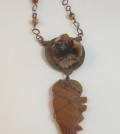 See Yourself as a Creative Thinker-Part IV By Karen Meador, PhD
Wire Jewelry Article for September 27th, 2017 If...
- September 27, 2017
-
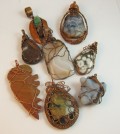 See Yourself as a Creative Thinker-Part III By Karen Meador, PhD
Wire Jewelry Article for September 20th, 2017 If...
- September 20, 2017
-
 See Yourself as a Creative Thinker-Part II By Karen Meador, PhD
Wire Jewelry Article for September 13th, 2017 If you...
- September 13, 2017
-
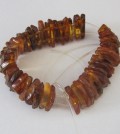 See Yourself as a Creative Thinker By Karen Meador PhD
Wire Jewelry Article for September 6th, 2017 This is...
- September 6, 2017

Design & Inspiration
-
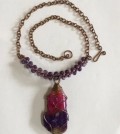 Free Pattern: Smile Cluster Necklace by Karen Meador
by Judy Ellis, Wirejewelry.com Wire Jewelry Pattern for August...
- August 7, 2017
-
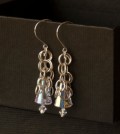 Free Pattern: Long crystal round maille earrings by Kylie Jones
by Judy Ellis, Wirejewelry.com Wire Jewelry Pattern for August...
- August 3, 2017
-
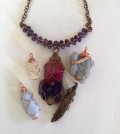 Free Pattern: Stone Twist Wrap by Karen Meador
by Judy Ellis, Wirejewelry.com Wire Jewelry Pattern for July...
- July 31, 2017
-
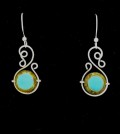 Free Pattern: Floating Bead Earrings By Kimberly Newman
by Judy Ellis, Wirejewelry.com Wire Jewelry Pattern for July...
- July 27, 2017
Featured Tools
-
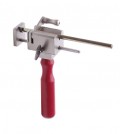 Get to Know Your Hand Tools – Tube-Cutting Jig By Helen I. Driggs
by Judy Ellis, Wirejewelry.com Wire Jewelry Tip for August...
- August 4, 2017
-
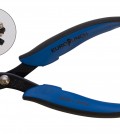 Wire Jewelry Video: Using Punch Pliers by Judy Freyer Thompson
by Judy Ellis, Wirejewelry.com Wire Jewelry Tip for August...
- August 2, 2017
-
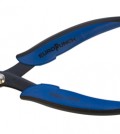 Wire Jewelry Video: Aligning a Hole Punch by Judy Freyer Thompson
by Judy Ellis, Wirejewelry.com Wire Jewelry Tip for July...
- July 26, 2017
-
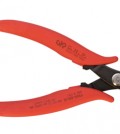 Get to Know Your Hand Tools – Wire Cutters – Helen I. Driggs
by Judy Ellis, Wirejewelry.com Wire Jewelry Tip for July...
- July 25, 2017