



- NEW DVD Series – Stone Setting with Bezels
- Tube Set Charm by Kim St. Jean
- Prong Basket Pendant by Kim St. Jean
- NEW DVD Series – Stone Setting with Cold Connections
- New DVD Series – Stone Setting with Wire
- NEW DVD Series: Introduction to Stone Setting by Kim St. Jean
- Featured Tool: Bracelet Bending Plier
- NEW Dvd by Eva Sherman
- Fun, Fast Fold Forming DVD Series
- Double Band Ear Cuff from Alex Simkin
All posts tagged "Jewelry Making Supplies"
-
 Using Tiles on Tube Rivets and Eyelets
by Judy Ellis, Wirejewelry.com Featured Tool Tip for March 6th, 2017 Using Tiles on Rivets and Eyelets with Judy Larson Today we finish up our series of Tips from Judy Larson on Eyelet and Rivet Tools: Tip...
- Posted March 6, 2017
-
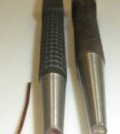 Rivet and Eyelet Tools
by Judy Ellis, Wirejewelry.com Wire Jewelry Tip for February 27th, 2017 Rivet and Eyelet Tools with Judy Larson Today we start a short series of tips from Judy Larson on making and using Rivet and Eyelet Tools. ...
- Posted February 27, 2017
-
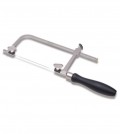 Tool Tip: The Jeweler’s Saw
by Judy Ellis, Wirejewelry.com Wire Jewelry Tool Tip for February 8th, 2017 Get to know your hand tools Tool Tip Five: The Jeweler’s Saw Today we bring you another great tool tip from Helen Driggs: Choosing and...
- Posted February 8, 2017
-
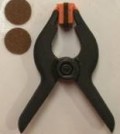 Clamps for Jewelry Making
by Judy Ellis, Wirejewelry.com Wire Jewelry Tool Tip for November 30th 2016 Clamps for Jewelry Making by Judy Larson Today’s tip is very simple – but very useful! Do you ever need to keep your jewelry held...
- Posted November 30, 2016
-
 JOGS 2017 – Color on Metal and Beads
by Judy Ellis, Wirejewelry.com Wire Jewelry Tip for November 28th, 2016 JOGS 2017 – Color on Metal and Beads Today we feature two more of our 2017 JOGS Instructors: Meredith Arnold and Olga Dillow Meredith Arnold: Known...
- Posted November 28, 2016
-
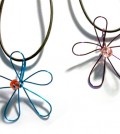 FREE Pattern: Simple Flower Pendant
by Judy Ellis, Wirejewelry.com Wire Jewelry Pattern for October 19th 2016 Simple Flower Pendant by Jill Gentry Today we have a very simple, beginners pattern for you. This Simple Flower Pendant can be incorporated into so many...
- Posted October 19, 2016
-
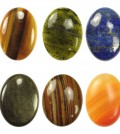 Avoiding Scratches
by Judy Ellis, Wirejewelry.com Wire Jewelry Tip for September 12th, 2016 Avoiding Scratches by Rhonda Chase Today we bring you another quick tip from Rhonda Chase on how to avoid scratches when you are wrapping cabochons. Rhonda...
- Posted September 12, 2016
-
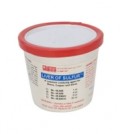 Using Liver of Sulfur
by Judy Ellis, Wirejewelry.com Wire Jewelry Tip for August 26th, 2016 Using Liver of Sulfur by Kate Richbourg Today we are featuring a quick video by Kate on how to use Liver of Sulfur. If you aren’t...
- Posted August 26, 2016
-
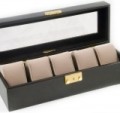 Show Booth Display
by Judy Ellis, Wirejewelry.com Wire Jewelry Tip for August 15th, 2016 Show Booth Display by Rhonda Chase Today we bring a quick tip to you from one of our newest contributors – Rhonda Chase. You may have...
- Posted August 15, 2016
-
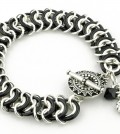 Buying Jump Rings Part 1: Avoiding the Pitfalls
by Judy Ellis, Wirejewelry.com Wire Jewelry Article for July 20th 2016 Buying Jump Rings Part 1: Avoiding the Pitfalls by Marilyn Gardiner Today we feature Part 1 of a two part series called Buying Jump Rings Part...
- Posted July 20, 2016
-
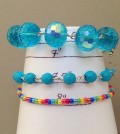 Bracelet Sizer
by Judy Ellis, Wirejewelry.com Wire Jewelry Tip for July 15th, 2016 Bracelet Sizer by Albina Manning Today we feature a quick tip from Albina Manning on how to make and use a bracelet sizer using a common...
- Posted July 15, 2016
-
 FREE Pattern – Beaded Cluster Earring
by Judy Ellis, Wirejewelry.com Wire Jewelry Tip for July 11th, 2016 Beaded Cluster Earring Pattern by Rhonda Chase I’d like to welcome our newest content contributor to WireJewelry.com – Rhonda Chase. We have featured Rhonda here on...
- Posted July 11, 2016
-
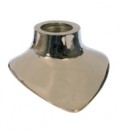 Featured Tool: Bracelet and Neck Mandrels
by Judy Ellis, Wirejewelry.com Wire Jewelry Tool Tip for June 27th, 2016 Bracelet and Neck Mandrels by Kate Richbourg Are you busily making summer bracelets and necklaces with beautiful wire and beads? I hope you are… Today...
- Posted June 27, 2016
-
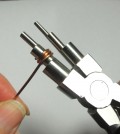 Six-stepped Round Nose Pliers, I think I Love You!
by Judy Ellis, Wirejewelry.com Wire Jewelry Tip for May 20th, 2016 Six-stepped Round Nose Pliers, I think I Love You! Four reasons to love the six-stepped pliers. by Kate Richbbourg Our tip for today comes to us...
- Posted May 20, 2016
-
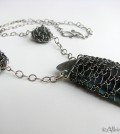 Creating Wire Beads
by Judy Ellis, Wirejewelry.com Wire Jewelry Tip for April 27th 2016 Creating Wire Beads by Albina Manning A couple of weeks ago we brought you a great tip from our friend Kate Richbourg on creating Wire Beads....
- Posted April 27, 2016
-
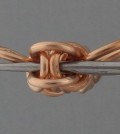 Strategies for Starting a Chain Mail Weave
by Judy Ellis, Wirejewelry.com Wire Jewelry Tip for April 22nd, 2016 Strategies for Starting a Chain Mail Weave by Marilyn Gardiner Today’s chain mail tip comes from our friend, Marilyn Gardiner. Enjoy! Marilyn Says: Starting some chain...
- Posted April 22, 2016

Wire Jewelry Ideas
-
 See Yourself as a Creative Thinker-Part IV By Karen Meador, PhD
Wire Jewelry Article for September 27th, 2017 If...
- September 27, 2017
-
 See Yourself as a Creative Thinker-Part III By Karen Meador, PhD
Wire Jewelry Article for September 20th, 2017 If...
- September 20, 2017
-
 See Yourself as a Creative Thinker-Part II By Karen Meador, PhD
Wire Jewelry Article for September 13th, 2017 If you...
- September 13, 2017
-
 See Yourself as a Creative Thinker By Karen Meador PhD
Wire Jewelry Article for September 6th, 2017 This is...
- September 6, 2017

Design & Inspiration
-
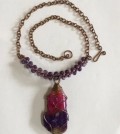 Free Pattern: Smile Cluster Necklace by Karen Meador
by Judy Ellis, Wirejewelry.com Wire Jewelry Pattern for August...
- August 7, 2017
-
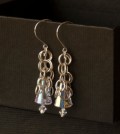 Free Pattern: Long crystal round maille earrings by Kylie Jones
by Judy Ellis, Wirejewelry.com Wire Jewelry Pattern for August...
- August 3, 2017
-
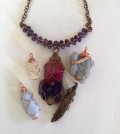 Free Pattern: Stone Twist Wrap by Karen Meador
by Judy Ellis, Wirejewelry.com Wire Jewelry Pattern for July...
- July 31, 2017
-
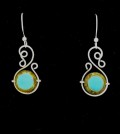 Free Pattern: Floating Bead Earrings By Kimberly Newman
by Judy Ellis, Wirejewelry.com Wire Jewelry Pattern for July...
- July 27, 2017
Featured Tools
-
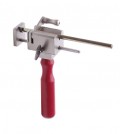 Get to Know Your Hand Tools – Tube-Cutting Jig By Helen I. Driggs
by Judy Ellis, Wirejewelry.com Wire Jewelry Tip for August...
- August 4, 2017
-
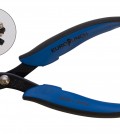 Wire Jewelry Video: Using Punch Pliers by Judy Freyer Thompson
by Judy Ellis, Wirejewelry.com Wire Jewelry Tip for August...
- August 2, 2017
-
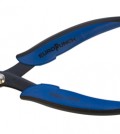 Wire Jewelry Video: Aligning a Hole Punch by Judy Freyer Thompson
by Judy Ellis, Wirejewelry.com Wire Jewelry Tip for July...
- July 26, 2017
-
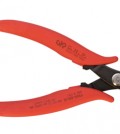 Get to Know Your Hand Tools – Wire Cutters – Helen I. Driggs
by Judy Ellis, Wirejewelry.com Wire Jewelry Tip for July...
- July 25, 2017