



- NEW DVD Series – Stone Setting with Bezels
- Tube Set Charm by Kim St. Jean
- Prong Basket Pendant by Kim St. Jean
- NEW DVD Series – Stone Setting with Cold Connections
- New DVD Series – Stone Setting with Wire
- NEW DVD Series: Introduction to Stone Setting by Kim St. Jean
- Featured Tool: Bracelet Bending Plier
- NEW Dvd by Eva Sherman
- Fun, Fast Fold Forming DVD Series
- Double Band Ear Cuff from Alex Simkin
All posts tagged "jewelry tools"
-
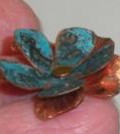 Using a Tile to Cut Rivets
by Judy Ellis, Wirejewelry.com Wire Jewelry Tip for March 3rd, 2017 Using a Tile to Cut Rivets by Judy Larson Today we continue our short series of tips from Judy Larson on Rivet and Eyelet Tools. Tip...
- Posted March 3, 2017
-
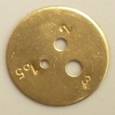 Make a Rivet and Eyelet Tile
by Judy Ellis, Wirejewelry.com Wire Jewelry Tool Tip for March 1st, 2017 Make a Rivet and Eyelet Tile by Judy Larson Today we continue our short series of tips from Judy Larson on making and using Rivet...
- Posted March 1, 2017
-
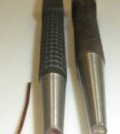 Rivet and Eyelet Tools
by Judy Ellis, Wirejewelry.com Wire Jewelry Tip for February 27th, 2017 Rivet and Eyelet Tools with Judy Larson Today we start a short series of tips from Judy Larson on making and using Rivet and Eyelet Tools. ...
- Posted February 27, 2017
-
 Add An Awl to Your Tool Bag
by Judy Ellis, Wirejewelry.com Wire Jewelry Tip for February 24th, 2017 Add An Awl To Your Tool Bag by Marilyn Gardiner We are always looking for great, new ideas and today, Marilyn gives us a wonderful tip...
- Posted February 24, 2017
-
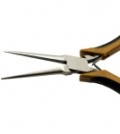 Basic Pliers
by Judy Ellis, Wirejewelry.com Wire Jewelry Tool Tip for February 15th, 2017 Get to know your hand tools Tool Tip 6 – Basic Pliers Today we bring you another great tool tip from Helen Driggs: Basic Pliers...
- Posted February 15, 2017
-
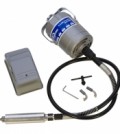 Featured Tool: Flex Shaft System
by Judy Ellis, Wirejewelry.com Featured Tool Tip for February 10th, 2017 Flex Shaft System and Flex Shaft Tool Demo Today we feature two tool videos by Kate Richbourg. We featured these a while ago – but I...
- Posted February 10, 2017
-
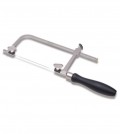 Tool Tip: The Jeweler’s Saw
by Judy Ellis, Wirejewelry.com Wire Jewelry Tool Tip for February 8th, 2017 Get to know your hand tools Tool Tip Five: The Jeweler’s Saw Today we bring you another great tool tip from Helen Driggs: Choosing and...
- Posted February 8, 2017
-
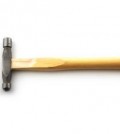 Utility Hammers
by Judy Ellis, Wirejewelry.com Wire Jewelry Tool Tip for January 27th, 2017 Get to know your hand tools – Tool Tip Four Utility Hammers Today we bring you another great tool tip from Helen Driggs: Using utility...
- Posted January 27, 2017
-
 Join us at JOGS in 2017
by Judy Ellis, Wirejewelry.com Wire Jewelry Class Information for December 26th, 2016 Join us at JOGS in 2017 Do you have a favorite instructor? How excited would you be if you had the chance to meet them...
- Posted December 26, 2016
-
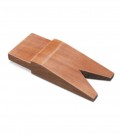 Get to know your hand tools
by Judy Ellis, Wirejewelry.com Wire Jewelry Tool Tip for December 14th 2016 Get to know your hand tools A 12-part series of how-to tips by Helen I. Driggs Today, I’d like to introduce to you one of...
- Posted December 14, 2016
-
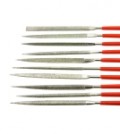 Adding Needle Files to Your Tool Bag
by Judy Ellis, Wirejewelry.com Wire Jewelry Tool Tip for November 18th, 2016 Add Needle Files to Your Tool Bag by Marilyn Gardiner A great tool tip from our good friend – Marilyn Gardiner. Enjoy! Marilyn Says: Sometimes,...
- Posted November 18, 2016
-
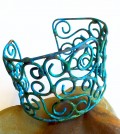 JOGS 2017 – Meet our Instructors
by Judy Ellis, Wirejewelry.com Wire Jewelry Tip for October 10th, 2016 JOGS 2017 – Meet Our Instructors Today we continue with our introduction of our 2017 JOGS Instructors – I”m happy to introduce Donna Lewis and Eva...
- Posted October 10, 2016
-
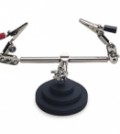 Featured Tool: Double Third Hand with Clips
by Judy Ellis, Wirejewelry.com Wire Jewelry Tool Tip for October 7th, 2016 Double Third Hand with Clips – HOL-162.00 by Kate Richbbourg Today we feature a great tool that is really a must for every jewelry artists...
- Posted October 7, 2016
-
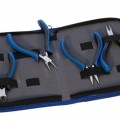 Featured Tool: 2K Ecco Series
by Judy Ellis, Wirejewelry.com Wire Jewelry Tool Tip for September 23rd, 2016 2K Ecco Series – Plier and Cutter Set by Kate Richbbourg Looking for a great value when it comes to jewelry tools? When you are...
- Posted September 23, 2016
-
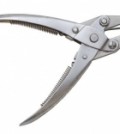 Twist and Parallel Hole Punches
by Judy Ellis, Wirejewelry.com Wire Jewelry Tool Tip for September 7th, 2016 Parallel Punch Pliers and Twist Punches We love sharing new tips about tools and how to use them. Our tips today come to us from...
- Posted September 7, 2016
-
 Featured Tool: Peg Assist Ring Clamp
by Judy Ellis, Wirejewelry.com Wire Jewelry Featured Tool for August 8th, 2016 Peg Assist Ring Clamp by Kate Richbourg Today we have a quick video from Kate about how to use Peg Assist Ring Clamp Kate says:...
- Posted August 8, 2016

Wire Jewelry Ideas
-
 See Yourself as a Creative Thinker-Part IV By Karen Meador, PhD
Wire Jewelry Article for September 27th, 2017 If...
- September 27, 2017
-
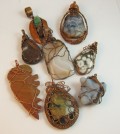 See Yourself as a Creative Thinker-Part III By Karen Meador, PhD
Wire Jewelry Article for September 20th, 2017 If...
- September 20, 2017
-
 See Yourself as a Creative Thinker-Part II By Karen Meador, PhD
Wire Jewelry Article for September 13th, 2017 If you...
- September 13, 2017
-
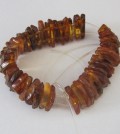 See Yourself as a Creative Thinker By Karen Meador PhD
Wire Jewelry Article for September 6th, 2017 This is...
- September 6, 2017

Design & Inspiration
-
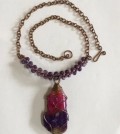 Free Pattern: Smile Cluster Necklace by Karen Meador
by Judy Ellis, Wirejewelry.com Wire Jewelry Pattern for August...
- August 7, 2017
-
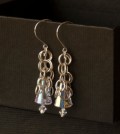 Free Pattern: Long crystal round maille earrings by Kylie Jones
by Judy Ellis, Wirejewelry.com Wire Jewelry Pattern for August...
- August 3, 2017
-
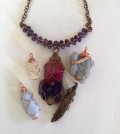 Free Pattern: Stone Twist Wrap by Karen Meador
by Judy Ellis, Wirejewelry.com Wire Jewelry Pattern for July...
- July 31, 2017
-
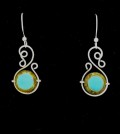 Free Pattern: Floating Bead Earrings By Kimberly Newman
by Judy Ellis, Wirejewelry.com Wire Jewelry Pattern for July...
- July 27, 2017
Featured Tools
-
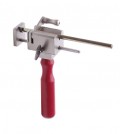 Get to Know Your Hand Tools – Tube-Cutting Jig By Helen I. Driggs
by Judy Ellis, Wirejewelry.com Wire Jewelry Tip for August...
- August 4, 2017
-
 Wire Jewelry Video: Using Punch Pliers by Judy Freyer Thompson
by Judy Ellis, Wirejewelry.com Wire Jewelry Tip for August...
- August 2, 2017
-
 Wire Jewelry Video: Aligning a Hole Punch by Judy Freyer Thompson
by Judy Ellis, Wirejewelry.com Wire Jewelry Tip for July...
- July 26, 2017
-
 Get to Know Your Hand Tools – Wire Cutters – Helen I. Driggs
by Judy Ellis, Wirejewelry.com Wire Jewelry Tip for July...
- July 25, 2017