



- NEW DVD Series – Stone Setting with Bezels
- Tube Set Charm by Kim St. Jean
- Prong Basket Pendant by Kim St. Jean
- NEW DVD Series – Stone Setting with Cold Connections
- New DVD Series – Stone Setting with Wire
- NEW DVD Series: Introduction to Stone Setting by Kim St. Jean
- Featured Tool: Bracelet Bending Plier
- NEW Dvd by Eva Sherman
- Fun, Fast Fold Forming DVD Series
- Double Band Ear Cuff from Alex Simkin
All posts tagged "necklace"
-
Wire Jewelry Idea March 28: Body Jewelry & Adornment
by Rose Marion, Wire-Sculpture.com Wire Jewelry Idea for March 28, 2012 Stuck in a jewelry-making rut? Maybe it’s time to step away from what you’re used to, and try adapting your style to a different type of...
- Posted March 28, 2012
-
Wire Jewelry Resource: Necklace Length Styles
by Rose Marion, Wire-Sculpture.com Wire Jewelry Idea for February 8, 2012 Have you ever been stuck in a rut with your necklaces and pendants, but you’re not sure what necklace lengths you can experiment? Here are 6...
- Posted February 8, 2012
-
Daily Wire Tip Sept. 1: Wire for a Versatile Beaded Necklace
Daily Wire Jewelry Making Tip for September 1, 2011 Question: I would like to use a strong wire, not too heavy to make a beaded necklace that you could twist into the shape you want. Every time...
- Posted August 31, 2011
-
Daily Wire Tip: Children’s Size Bracelets and Necklaces
Daily Wire Jewelry Making Tip Question: Hi Dale, I have 3 granddaughters ages 5, 12, and 13. I would like to make necklaces and bracelets for them for their birthdays, but I can’t seem to find definitive...
- Posted July 10, 2011
-
Daily Wire Tip: Making Necklaces Righties or Lefties
Daily Wire Jewelry Making Tip Question: In making the ends of a necklace, is there a standard for which side gets the clasp? I’ve been making pendants, and just randomly chose where to put the clasp. -Helene...
- Posted June 26, 2011
-
Daily Wire Tip Feb. 22: Make a Finished Ribbon Necklace
Daily Wire Jewelry Making Tip for February 22, 2011 Question: Hi Dale, I love your instruction style on your DVDs. I’m almost ready for your Advanced Series. In an earlier Daily Tip you mentioned using ribbon as...
- Posted February 21, 2011
-
Daily Wire Tip: Necklaces for Wire Wrap Pendants
Daily Wire Jewelry Making Tip Question: Hi Dale, thanks for all your help and encouragement. Through your "help" I finished wrapping a fluorite cab and I am very happy how it turned out. However, it is so...
- Posted February 10, 2011
-
Daily Wire Tip Feb. 3: Cutting Hundreds of Jump Rings
Daily Wire Jewelry Making Tip for February 3, 2011 Question: I plan to make a Byzantine chain maille necklace for my adult son. Does the Pepe jump ring maker make flush-cut jump rings to enable me to...
- Posted February 2, 2011
-
Daily Wire Tip Oct. 30: Child-Safe Necklaces
Daily Wire Jewelry Making Tip for October 30, 2010 Question: I want to make a safe necklace for a child. On the one hand, I want it to stay together; on the other hand, I want it...
- Posted October 29, 2010
-
Daily Tip July 10: Glue for Finishing Cords
Daily Wire Jewelry Making Tip July 10, 2010 Question: I’m a beginner. I made some leather/suede necklaces, and had a very hard time flattening or attaching the spring cord ends. I damaged two pliers and one cutter....
- Posted July 9, 2010
-
Daily Wire Tip May 31: What Chain Sizes Are Best?
Daily Wire Jewelry Making Tip May 31, 2010 Question: Dale is it possible to have you tell me, when making pendants or working with beaded necklaces, what chain sizes are the best sizes? Do you go by the...
- Posted May 31, 2010
-
Daily Wire Tip May 12: Hammered Dangle for Earrings or Necklace
Daily Wire Jewelry Making Tip May 12, 2010 Question: I’m new to making jewelry with wire and am trying to learn all I can. Your tips are great! What gauge and temper wire would I use to create...
- Posted May 12, 2010
-
Daily Wire Tip May 10: Fabric Covered Wire
Daily Wire Jewelry Making Tip May 10, 2010 Question: I have been unable to locate a fabric type covered stiff wire in bright colors that holds its shape. I want to make necklaces with only a few beads....
- Posted May 10, 2010
-
Daily Wire Tip April 7: How to Test Amber Beads for Authenticity
Daily Wire Jewelry Making Tip April 07, 2010 Question: A friend has asked me to restring & knot a necklace that has been passed down in her family for about 150 years. The beads look like they could...
- Posted April 7, 2010
-
Daily Wire Tip April 1: Reworking a Finished Piece
Daily Wire Jewelry Making Tip April 01, 2010 Question: Have you ever finished a piece and decided you didn’t like how it turned out, then taken it apart to rework it? I finally finished a long copper pendant...
- Posted April 1, 2010
-
Daily Wire Tip March 4: Alternative to Chain for Necklaces
Daily Wire Jewelry Making Tip March 04, 2010 Question: I have purchased some cut glass pendants and would like to know how to make a chain of sorts to hang them from for necklaces. I do not...
- Posted March 4, 2010

Wire Jewelry Ideas
-
 See Yourself as a Creative Thinker-Part IV By Karen Meador, PhD
Wire Jewelry Article for September 27th, 2017 If...
- September 27, 2017
-
 See Yourself as a Creative Thinker-Part III By Karen Meador, PhD
Wire Jewelry Article for September 20th, 2017 If...
- September 20, 2017
-
 See Yourself as a Creative Thinker-Part II By Karen Meador, PhD
Wire Jewelry Article for September 13th, 2017 If you...
- September 13, 2017
-
 See Yourself as a Creative Thinker By Karen Meador PhD
Wire Jewelry Article for September 6th, 2017 This is...
- September 6, 2017

Design & Inspiration
-
 Free Pattern: Smile Cluster Necklace by Karen Meador
by Judy Ellis, Wirejewelry.com Wire Jewelry Pattern for August...
- August 7, 2017
-
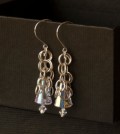 Free Pattern: Long crystal round maille earrings by Kylie Jones
by Judy Ellis, Wirejewelry.com Wire Jewelry Pattern for August...
- August 3, 2017
-
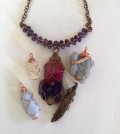 Free Pattern: Stone Twist Wrap by Karen Meador
by Judy Ellis, Wirejewelry.com Wire Jewelry Pattern for July...
- July 31, 2017
-
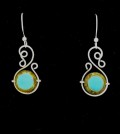 Free Pattern: Floating Bead Earrings By Kimberly Newman
by Judy Ellis, Wirejewelry.com Wire Jewelry Pattern for July...
- July 27, 2017
Featured Tools
-
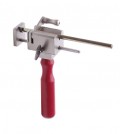 Get to Know Your Hand Tools – Tube-Cutting Jig By Helen I. Driggs
by Judy Ellis, Wirejewelry.com Wire Jewelry Tip for August...
- August 4, 2017
-
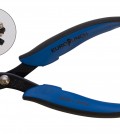 Wire Jewelry Video: Using Punch Pliers by Judy Freyer Thompson
by Judy Ellis, Wirejewelry.com Wire Jewelry Tip for August...
- August 2, 2017
-
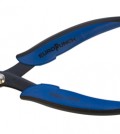 Wire Jewelry Video: Aligning a Hole Punch by Judy Freyer Thompson
by Judy Ellis, Wirejewelry.com Wire Jewelry Tip for July...
- July 26, 2017
-
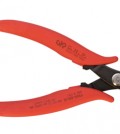 Get to Know Your Hand Tools – Wire Cutters – Helen I. Driggs
by Judy Ellis, Wirejewelry.com Wire Jewelry Tip for July...
- July 25, 2017