



- NEW DVD Series – Stone Setting with Bezels
- Tube Set Charm by Kim St. Jean
- Prong Basket Pendant by Kim St. Jean
- NEW DVD Series – Stone Setting with Cold Connections
- New DVD Series – Stone Setting with Wire
- NEW DVD Series: Introduction to Stone Setting by Kim St. Jean
- Featured Tool: Bracelet Bending Plier
- NEW Dvd by Eva Sherman
- Fun, Fast Fold Forming DVD Series
- Double Band Ear Cuff from Alex Simkin
All posts tagged "polish"
-
Featured Jewelry Tool: Brass Brush #BRS-968.00
by Rose Marion, Wire-Sculpture.com Tool of the Week for April 8, 2013 This week’s tool: Brass Brush with Wooden Handle, #BRS-968.00 Video by Kate, JewelryTools.com This week’s featured tool from JewelryTools.com is the Brass Brush with a...
- Posted April 8, 2013
-
How to Clean Copper and Brass Jewelry Wire
By Mary W. Bailey In these economic times, we as artists and jewelers are faced with the shock of the price increases in precious metals. Silver and gold prices have skyrocketed and we are finding ourselves faced...
- Posted August 7, 2011
-
Daily Wire Tip June 14: Keeping Argentium’s Silver Sheen
Daily Wire Jewelry Making Tip for June 14, 2011 Question: Dale, you often speak well of Argentium® silver. I’ve never used it, but my partner who makes beautiful chain bracelets and neck chains made one, and it...
- Posted June 13, 2011
-
Daily Wire Tip June 8: Dawn for Tumbling
Daily Wire Jewelry Making Tip for June 8, 2011 Question: I know you don’t tumble much Dale, but maybe one of your co-workers can answer: Why Dawn for tumbling? I’ve seen so many people say use Dawn...
- Posted June 7, 2011
-
Daily Wire Tip Feb. 16: Removing Marker from Jewelry Wire
Daily Wire Jewelry Making Tip for February 16, 2011 Question: Hello Dale, I have yet another question for your expertise. I use the permanent marker as you suggest on the back side of my wire, but how...
- Posted February 15, 2011
-
Daily Wire Tip Feb. 12: Tumbling Silver Plated Jewelry
Daily Wire Jewelry Making Tip for February 12, 2011 Question: If I tumble silver plated items, will the plating be removed? -Faye in Middlesbrough, England Answer: From the research I have done, you can successfully tumble polish...
- Posted February 11, 2011
-
Daily Wire Tip Dec. 29: Oxidizing Sterling Silver
Daily Wire Jewelry Making Tip for December 29, 2010 Question: I want to make some sterling silver jewelry and oxidize the silver by using liver of sulfur. Should I oxidize the wire before putting the jewelry together,...
- Posted December 29, 2010
-
Daily Wire Tip: Prevent Tarnish on Copper and Nickel Silver
Daily Wire Jewelry Making Tip Question: This is not a question just a tip I use, maybe you can try it and share it. For practice recycled copper wire or for nickel silver wire, clean the wire,...
- Posted September 4, 2010
-
Daily Wire Tip: Removing Marker Measurement Marks
Daily Wire Jewelry Making Tip Question: I love making your unisex wire bracelet along with all the other projects I have seen. My question is how do you get rid of the permanent marks that you make...
- Posted May 22, 2010
-
Daily Wire Tip May 2: Light Lapidary
Daily Wire Jewelry Making Tip May 02, 2010 Question: I have a rock about the size of a large cobble stone, beautifully patterned how can I cut (slice) it so that I can polish it and wrap it...
- Posted May 2, 2010
-
Daily Wire Tip April 15: Repairing Foil and Mirror Backs on Stones
Daily Wire Jewelry Making Tip April 15, 2010 Question: I have had some luck with metallic nail polish on the back of glass stones it can’t hurt to try just go to dollar store for polish and remover....
- Posted April 15, 2010
-
Daily Wire Tip March 24: Scratched Pearls
Daily Wire Jewelry Making Tip March 24, 2010 Question: I used an osmena pearl to make a ring which turned out really pretty but somehow I put a scratch on it. Is there something that I can...
- Posted March 24, 2010
-
Daily Wire Tip March 15: How to Use Jewelers Rouge
Daily Wire Jewelry Making Tip March 15, 2010 Question: I received some jewelers rouge that was included in a jewelry-making starter kit I bought a while back. Can you tell me how to use it correctly to...
- Posted March 15, 2010
-
Daily Wire Tip Feb. 28: Achieving a High Polish on Your Stones
Daily Wire Jewelry Making Tip February 28, 2010 Question: I like to form my own cabochons and free form pieces for wire wrapping. I seem to be having trouble getting the high polish I would like to have...
- Posted February 28, 2010
-
Daily Wire Tip: Shining Gemstones
Daily Wire Jewelry Making Tip Question: How do you get that perfect mirror shine on your focal gemstones? Answer: As I am not sure which type of stone you mean, cabochon or faceted, I’ll give a general...
- Posted February 24, 2010
-
Daily Wire Tip Jan. 5: New Drums Leaving Black on Silver
Daily Wire Jewelry Making Tip January 05, 2010 Question: I just got a new Lortone tumbler and stainless steel shot. I have heard that new drums can leave black marks on silver. Should I do something special to...
- Posted January 5, 2010

Wire Jewelry Ideas
-
 See Yourself as a Creative Thinker-Part IV By Karen Meador, PhD
Wire Jewelry Article for September 27th, 2017 If...
- September 27, 2017
-
 See Yourself as a Creative Thinker-Part III By Karen Meador, PhD
Wire Jewelry Article for September 20th, 2017 If...
- September 20, 2017
-
 See Yourself as a Creative Thinker-Part II By Karen Meador, PhD
Wire Jewelry Article for September 13th, 2017 If you...
- September 13, 2017
-
 See Yourself as a Creative Thinker By Karen Meador PhD
Wire Jewelry Article for September 6th, 2017 This is...
- September 6, 2017

Design & Inspiration
-
 Free Pattern: Smile Cluster Necklace by Karen Meador
by Judy Ellis, Wirejewelry.com Wire Jewelry Pattern for August...
- August 7, 2017
-
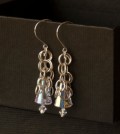 Free Pattern: Long crystal round maille earrings by Kylie Jones
by Judy Ellis, Wirejewelry.com Wire Jewelry Pattern for August...
- August 3, 2017
-
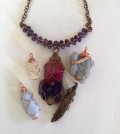 Free Pattern: Stone Twist Wrap by Karen Meador
by Judy Ellis, Wirejewelry.com Wire Jewelry Pattern for July...
- July 31, 2017
-
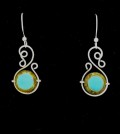 Free Pattern: Floating Bead Earrings By Kimberly Newman
by Judy Ellis, Wirejewelry.com Wire Jewelry Pattern for July...
- July 27, 2017
Featured Tools
-
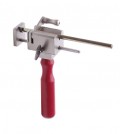 Get to Know Your Hand Tools – Tube-Cutting Jig By Helen I. Driggs
by Judy Ellis, Wirejewelry.com Wire Jewelry Tip for August...
- August 4, 2017
-
 Wire Jewelry Video: Using Punch Pliers by Judy Freyer Thompson
by Judy Ellis, Wirejewelry.com Wire Jewelry Tip for August...
- August 2, 2017
-
 Wire Jewelry Video: Aligning a Hole Punch by Judy Freyer Thompson
by Judy Ellis, Wirejewelry.com Wire Jewelry Tip for July...
- July 26, 2017
-
 Get to Know Your Hand Tools – Wire Cutters – Helen I. Driggs
by Judy Ellis, Wirejewelry.com Wire Jewelry Tip for July...
- July 25, 2017