



- NEW DVD Series – Stone Setting with Bezels
- Tube Set Charm by Kim St. Jean
- Prong Basket Pendant by Kim St. Jean
- NEW DVD Series – Stone Setting with Cold Connections
- New DVD Series – Stone Setting with Wire
- NEW DVD Series: Introduction to Stone Setting by Kim St. Jean
- Featured Tool: Bracelet Bending Plier
- NEW Dvd by Eva Sherman
- Fun, Fast Fold Forming DVD Series
- Double Band Ear Cuff from Alex Simkin
All posts tagged "polishing"
-
Featured Tool: Benchtop Polisher POL-260.00
by Rose Marion, Wire-Sculpture.com Tool of the Week for February 4, 2013 This week’s tool: Benchtop Polisher, #POL-260.00 Video by Kate, JewelryTools.com This week’s featured tool from JewelryTools.com is the Benchtop Polisher, POL-260.00. While wire wrapping has...
- Posted February 4, 2013
-
Daily Wire Tip June 14: Keeping Argentium’s Silver Sheen
Daily Wire Jewelry Making Tip for June 14, 2011 Question: Dale, you often speak well of Argentium® silver. I’ve never used it, but my partner who makes beautiful chain bracelets and neck chains made one, and it...
- Posted June 13, 2011
-
Daily Wire Tip Dec. 18: How to Polish Apache Tears
Daily Wire Jewelry Making Tip for December 18, 2010 Question: Good morning Dale, I’m tumbling some Apache tears and they refuse to polish up to that fine glass finish we all love. Can you give me some...
- Posted December 17, 2010
-
Daily Wire Tip: Commercial Jewelry and Tarnish
Daily Wire Jewelry Making Tip Question: I get so many questions about tarnish. Why doesn’t the jewelry in commercial jewelry stores tarnish (for instance, my wedding ring) if they are made out of the same sterling silver...
- Posted November 2, 2010
-
Daily Wire Tip Oct. 11: When to Let Go of a Cleaning Cloth
Daily Wire Jewelry Making Tip for October 11, 2010 Question: I purchased a cleaning/polishing cloth, and it’s worked terrific. Now it’s quite dirty. The directions said it had some sort of chemicals on it. Can I wash...
- Posted October 10, 2010
-
Daily Wire Tip Feb. 28: Achieving a High Polish on Your Stones
Daily Wire Jewelry Making Tip February 28, 2010 Question: I like to form my own cabochons and free form pieces for wire wrapping. I seem to be having trouble getting the high polish I would like to have...
- Posted February 28, 2010

Wire Jewelry Ideas
-
 See Yourself as a Creative Thinker-Part IV By Karen Meador, PhD
Wire Jewelry Article for September 27th, 2017 If...
- September 27, 2017
-
 See Yourself as a Creative Thinker-Part III By Karen Meador, PhD
Wire Jewelry Article for September 20th, 2017 If...
- September 20, 2017
-
 See Yourself as a Creative Thinker-Part II By Karen Meador, PhD
Wire Jewelry Article for September 13th, 2017 If you...
- September 13, 2017
-
 See Yourself as a Creative Thinker By Karen Meador PhD
Wire Jewelry Article for September 6th, 2017 This is...
- September 6, 2017

Design & Inspiration
-
 Free Pattern: Smile Cluster Necklace by Karen Meador
by Judy Ellis, Wirejewelry.com Wire Jewelry Pattern for August...
- August 7, 2017
-
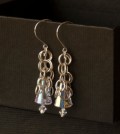 Free Pattern: Long crystal round maille earrings by Kylie Jones
by Judy Ellis, Wirejewelry.com Wire Jewelry Pattern for August...
- August 3, 2017
-
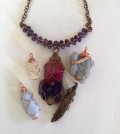 Free Pattern: Stone Twist Wrap by Karen Meador
by Judy Ellis, Wirejewelry.com Wire Jewelry Pattern for July...
- July 31, 2017
-
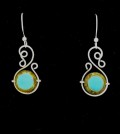 Free Pattern: Floating Bead Earrings By Kimberly Newman
by Judy Ellis, Wirejewelry.com Wire Jewelry Pattern for July...
- July 27, 2017
Featured Tools
-
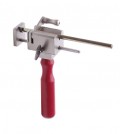 Get to Know Your Hand Tools – Tube-Cutting Jig By Helen I. Driggs
by Judy Ellis, Wirejewelry.com Wire Jewelry Tip for August...
- August 4, 2017
-
 Wire Jewelry Video: Using Punch Pliers by Judy Freyer Thompson
by Judy Ellis, Wirejewelry.com Wire Jewelry Tip for August...
- August 2, 2017
-
 Wire Jewelry Video: Aligning a Hole Punch by Judy Freyer Thompson
by Judy Ellis, Wirejewelry.com Wire Jewelry Tip for July...
- July 26, 2017
-
 Get to Know Your Hand Tools – Wire Cutters – Helen I. Driggs
by Judy Ellis, Wirejewelry.com Wire Jewelry Tip for July...
- July 25, 2017