



- NEW DVD Series – Stone Setting with Bezels
- Tube Set Charm by Kim St. Jean
- Prong Basket Pendant by Kim St. Jean
- NEW DVD Series – Stone Setting with Cold Connections
- New DVD Series – Stone Setting with Wire
- NEW DVD Series: Introduction to Stone Setting by Kim St. Jean
- Featured Tool: Bracelet Bending Plier
- NEW Dvd by Eva Sherman
- Fun, Fast Fold Forming DVD Series
- Double Band Ear Cuff from Alex Simkin
All posts tagged "wire gauge"
-
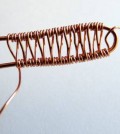 Choosing Wire Hardness
by Judy Ellis, Wirejewelry.com Wire Jewelry Tip for August 29th, 2016 Choosing Wire Hardness for Wrapping by Rhonda Chase Today we bring another quick tip from Rhonda Chase on how to choose the correct hardness for your...
- Posted August 29, 2016
-
 Charting Your Creations
by Judy Ellis, Wirejewelry.com Wire Jewelry Tip for May 30th, 2016 Charting Your Creations by Judy Larson Today we have a quick tip from Judy about using a few simple charts to help you track your wire...
- Posted May 30, 2016
-
All About Soft Wire
by Judy Ellis, Wire-Sculpture.com Daily Wire Jewelry Making Tip October 15, 2014 All About Soft Wire – Revisited This week I found another great question in our older posts that I think is well worth revisiting –...
- Posted October 15, 2014
-
Gauges
by Judy Ellis, Wire-Sculpture.com Tool of the Week for July 28, 2014 This week’s Featured Tool is the Wire Gauge for All Sizes of Wire If you’re like most jewelry crafters, you find great beauty in the...
- Posted July 28, 2014
-
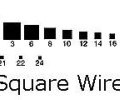 Wire Working Basics
by Judy Ellis, Wire-Sculpture.com Wire Jewelry Tip June 13, 2014 Wire Working Basics Since we all have to start somewhere, today I thought I would start at the beginning… the beginning of tools. For those just...
- Posted June 13, 2014
-
 Wire Jewelry Resource Aug. 8: Gold Filled History & Meaning
by Rose Marion, Wire-Sculpture.com You’ve probably heard the terms “gold plated,” “gold filled,” and “rolled gold” around the wire jewelry world, and to be sure you’re telling your customers the value of the pieces you make using...
- Posted August 8, 2012
-
Featured Tool of the Week: Pocket Wire Gauge GAU-144.10
by Rose Marion, Wire-Sculpture.com Tool of the Week for February 20, 2012 This week’s tool: Pocket Wire Gauge Demonstration by Kate, JewelryTools.com Have a mystery coil of wire? To find out what wire gauge you have, confusingly,...
- Posted February 20, 2012
-
Daily Wire Tip Oct. 18: Filigree Wire in Wirework
Daily Wire Jewelry Making Tip for October 18, 2011 Question: What gauge and temper of wire is used for the intricate lacy curlicues commonly fill in the outlines of filigree components? -Shelly in Mililani, Hawaii Answer: Hi...
- Posted October 17, 2011
-
Daily Wire Tip for Oct. 12: Finding Draw Plate Gauge
Daily Wire Jewelry Making Tip for October 12, 2011 Question: Hi, I’m wondering what the gauges are in wire jewelry, and what the increment between each gauge is. I have a draw plate, but the holes aren’t...
- Posted October 12, 2011
-
Daily Wire Tip Oct. 10: Jewelry Wire for Wrapped Rings
Daily Wire Jewelry Making Tip for October 10, 2011 Question: What is the best gauge of wire to use to make rings? I decided to get into wire jewelry to add to my style of jewelry making...
- Posted October 9, 2011
-
 Daily Wire Tip Oct. 4: 28-Gauge Wire Project Ideas
Daily Wire Jewelry Making Tip for October 4, 2011 Question: I have 28-gauge wire in various colors. I was going to use them for bobbin lace, but it is too big for that. I had to use...
- Posted October 3, 2011
-
Daily Wire Tip: Wire Collar Gauge Substitution
Daily Wire Jewelry Making Tip Question: Hi Dale, thanks for all your wonderful tips! I’m looking forward to making the Heavy Wire Collar from the Beginner Series DVD. I haven’t been able to find 14-gauge dead soft,...
- Posted May 17, 2011
-
Daily Wire Tip May 17: Wire for Ear Wires and Clasps
Daily Wire Jewelry Making Tip for May 17, 2011 Question: I want to start making handmade earring wires and S-clasps in gold filled or bronze wire, probably 18 or 20-gauge. Should I be using half-hard or dead...
- Posted May 16, 2011
-
Daily Wire Tip May 4: Metal Draw Plate Tips
Daily Wire Jewelry Making Tip for May 4, 2011 Question: Hi Dale, I’m curious about draw plates and how to use them. I purchased two draw plates somewhere about a year apart and both times the holes...
- Posted May 3, 2011
-
Daily Wire Tip Apr. 14: Wrapping Pattern Wire Bundles
Daily Wire Jewelry Making Tip for April 14, 2011 Question: Dale, thank you so much for your advice on markets in The Definitive Guide. I just did my first outdoor market on Saturday and even with the...
- Posted April 13, 2011
-
Daily Wire Tip Apr. 8: Perfect Chain for Wire Jewelry
Daily Wire Jewelry Making Tip for April 8, 2011 Question: I am having trouble deciding the correct-sized chain to purchase for my projects. Is there a standard or a rule of thumb I can refer to? -Dorothy...
- Posted April 7, 2011

Wire Jewelry Ideas
-
 See Yourself as a Creative Thinker-Part IV By Karen Meador, PhD
Wire Jewelry Article for September 27th, 2017 If...
- September 27, 2017
-
 See Yourself as a Creative Thinker-Part III By Karen Meador, PhD
Wire Jewelry Article for September 20th, 2017 If...
- September 20, 2017
-
 See Yourself as a Creative Thinker-Part II By Karen Meador, PhD
Wire Jewelry Article for September 13th, 2017 If you...
- September 13, 2017
-
 See Yourself as a Creative Thinker By Karen Meador PhD
Wire Jewelry Article for September 6th, 2017 This is...
- September 6, 2017

Design & Inspiration
-
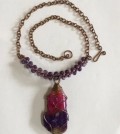 Free Pattern: Smile Cluster Necklace by Karen Meador
by Judy Ellis, Wirejewelry.com Wire Jewelry Pattern for August...
- August 7, 2017
-
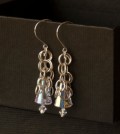 Free Pattern: Long crystal round maille earrings by Kylie Jones
by Judy Ellis, Wirejewelry.com Wire Jewelry Pattern for August...
- August 3, 2017
-
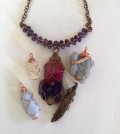 Free Pattern: Stone Twist Wrap by Karen Meador
by Judy Ellis, Wirejewelry.com Wire Jewelry Pattern for July...
- July 31, 2017
-
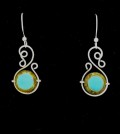 Free Pattern: Floating Bead Earrings By Kimberly Newman
by Judy Ellis, Wirejewelry.com Wire Jewelry Pattern for July...
- July 27, 2017
Featured Tools
-
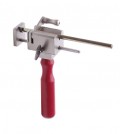 Get to Know Your Hand Tools – Tube-Cutting Jig By Helen I. Driggs
by Judy Ellis, Wirejewelry.com Wire Jewelry Tip for August...
- August 4, 2017
-
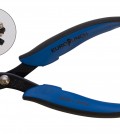 Wire Jewelry Video: Using Punch Pliers by Judy Freyer Thompson
by Judy Ellis, Wirejewelry.com Wire Jewelry Tip for August...
- August 2, 2017
-
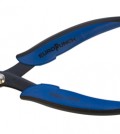 Wire Jewelry Video: Aligning a Hole Punch by Judy Freyer Thompson
by Judy Ellis, Wirejewelry.com Wire Jewelry Tip for July...
- July 26, 2017
-
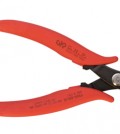 Get to Know Your Hand Tools – Wire Cutters – Helen I. Driggs
by Judy Ellis, Wirejewelry.com Wire Jewelry Tip for July...
- July 25, 2017