



- NEW DVD Series – Stone Setting with Bezels
- Tube Set Charm by Kim St. Jean
- Prong Basket Pendant by Kim St. Jean
- NEW DVD Series – Stone Setting with Cold Connections
- New DVD Series – Stone Setting with Wire
- NEW DVD Series: Introduction to Stone Setting by Kim St. Jean
- Featured Tool: Bracelet Bending Plier
- NEW Dvd by Eva Sherman
- Fun, Fast Fold Forming DVD Series
- Double Band Ear Cuff from Alex Simkin
All posts tagged "wire"
-
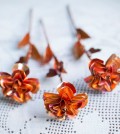 Copper Roses
by Judy Ellis, Wirejewelry.com Wire Jewelry Tip for September 1st, 2016 Copper Roses Every so often we have customers share their experiences and their success with us. Today I’d like to share a wonderful article about Ron...
- Posted September 2, 2016
-
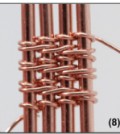 Wire Weaving
by Judy Ellis, Wirejewelry.com Wire Jewelry Tip for December 4th, 2015 Wire Weaving by Sarah Thompson On the 2nd Day of our Christmas Tips – I wanted to share a fantastic article with you about Wire Weaving....
- Posted December 4, 2015
-
 12 Days of Christmas Tips
by Judy Ellis, Wirejewelry.com Wire Jewelry Tip for December 2nd, 2015 12 Days of Christmas Tips The other day one of our fantastic contributors, Judy Larson shared her 12 Days Of Christmas Templates And Tutorials series with...
- Posted December 2, 2015
-
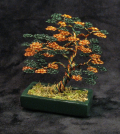 Colored Craft Wire Creations
Daily Wire Tip April 24, 2015 Colored Craft Wire Creations Do you create with Craft Wire? If you are just beginning your journey into wire-wrapping, craft wire is great to help get you started. Not only...
- Posted April 24, 2015
-
Jewelry Wire for Wrapped Rings
by Judy Ellis, Wire-Sculpture.com Wire Jewelry Tip June 19, 2014 Jewelry Wire for Wrapped Rings We always get questions about the best kind gauge and type of wire to use for certain projects: This is a...
- Posted June 20, 2014
-
Wire Jewelry Idea: Wired Buttons Necklace
by Rose Marion, Wire-Sculpture.com Wire Jewelry Idea for January 4, 2012 Name: Buttons Buttons Submitted by: Diana Harwood Technique used: wire crochet, wire working Materials used: 24-gauge wire 18-gauge wire Buttons If using just one or two...
- Posted January 4, 2012
-
Wire Jewelry Idea: Wire Butterfly Earrings or Pendant
by Rose Marion, Wire-Sculpture.com Wire Jewelry Idea for December 28, 2011 Name: Taurins Earrings Submitted by: Catharine Temaluru Technique used: coiling, weaving, wire wrapping Materials used: Round Copper wire Swarovski crystal beads Freshwater Pearls Chain Ear wires...
- Posted December 28, 2011
-
Wire Jewelry Printable Resource: Wire Footage Charts with Silver-Filled Wire
by Rose Marion, Wire-Sculpture.com Wire Jewelry Idea for December 14, 2011 One of the most exciting new products we began carrying this year, besides Albina Manning’s Coiling & Weaving Series, is without a doubt our Sterling Silver...
- Posted December 14, 2011
-
What Shape of Wire Should I Use to Make Jewelry?
by Dale “Cougar” Armstrong, Wire-Sculpture.com Now that you know a bit more about jewelry making wire tempers and have become more familiar with the variety of wire gauges, let’s tie them together with the shapes that are...
- Posted November 7, 2011
-
Wire Jewelry Printable Resource: Wire Footage Charts
by Rose Marion, Wire-Sculpture.com Wire Jewelry Idea for November 2, 2011 Here at Wire-Sculpture, we cut our wire by the foot for your convenience, rather than shipping you a quarter-ounce, half-ounce, or full ounce of jewelry wire....
- Posted November 2, 2011
-
Daily Wire Tip: How to Choose Wire Temper for Making Jewelry
by Dale “Cougar” Armstrong and Krystal Day, Wire-Sculpture.com You have decided to give wire jewelry making a try, congratulations! It is a lot of fun, but there are so many different sizes or gauges, tempers or hardness...
- Posted October 31, 2011
-
Daily Wire Tip Sept. 19: Wire for a Bangle Bracelet
Daily Wire Jewelry Making Tip for September 19, 2011 Question: I want to get your cuff bracelet video. It looks like flat wire is used in it. Where do I find flat wire? -Annie in Huntsville, Alabama...
- Posted September 18, 2011
-
Daily Wire Tip Sept. 1: Wire for a Versatile Beaded Necklace
Daily Wire Jewelry Making Tip for September 1, 2011 Question: I would like to use a strong wire, not too heavy to make a beaded necklace that you could twist into the shape you want. Every time...
- Posted August 31, 2011
-
Daily Wire Tip July 26: Make a Soft Chain with Wire
Daily Wire Jewelry Making Tip for July 26, 2011 Question: Hi Dale! I love your Beginner Series Part 6 DVD! I noticed your necklace you are wearing on the video and was curious what gauge and temper...
- Posted July 25, 2011
-
Daily Wire Tip June 28: Supply Lists for Wire Jewelry DVDs
Daily Wire Jewelry Making Tip for June 28, 2011 Question: Hi Dale, I am looking at purchasing your beginners video #1 (the wire bracelet), and I would like to order everything at once to get started with...
- Posted June 27, 2011
-
Daily Wire Tip June 13: Cutting Wire Not Too Long or Short, Just Right
Daily Wire Jewelry Making Tip for June 13, 2011 Question: Is there a formula for figuring out how much wire to cut before beginning a project? I waste so much wire cutting more than I need, trying...
- Posted June 12, 2011

Wire Jewelry Ideas
-
 See Yourself as a Creative Thinker-Part IV By Karen Meador, PhD
Wire Jewelry Article for September 27th, 2017 If...
- September 27, 2017
-
 See Yourself as a Creative Thinker-Part III By Karen Meador, PhD
Wire Jewelry Article for September 20th, 2017 If...
- September 20, 2017
-
 See Yourself as a Creative Thinker-Part II By Karen Meador, PhD
Wire Jewelry Article for September 13th, 2017 If you...
- September 13, 2017
-
 See Yourself as a Creative Thinker By Karen Meador PhD
Wire Jewelry Article for September 6th, 2017 This is...
- September 6, 2017

Design & Inspiration
-
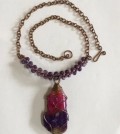 Free Pattern: Smile Cluster Necklace by Karen Meador
by Judy Ellis, Wirejewelry.com Wire Jewelry Pattern for August...
- August 7, 2017
-
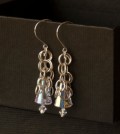 Free Pattern: Long crystal round maille earrings by Kylie Jones
by Judy Ellis, Wirejewelry.com Wire Jewelry Pattern for August...
- August 3, 2017
-
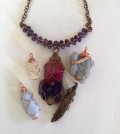 Free Pattern: Stone Twist Wrap by Karen Meador
by Judy Ellis, Wirejewelry.com Wire Jewelry Pattern for July...
- July 31, 2017
-
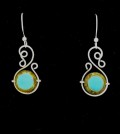 Free Pattern: Floating Bead Earrings By Kimberly Newman
by Judy Ellis, Wirejewelry.com Wire Jewelry Pattern for July...
- July 27, 2017
Featured Tools
-
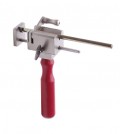 Get to Know Your Hand Tools – Tube-Cutting Jig By Helen I. Driggs
by Judy Ellis, Wirejewelry.com Wire Jewelry Tip for August...
- August 4, 2017
-
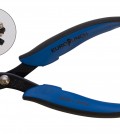 Wire Jewelry Video: Using Punch Pliers by Judy Freyer Thompson
by Judy Ellis, Wirejewelry.com Wire Jewelry Tip for August...
- August 2, 2017
-
 Wire Jewelry Video: Aligning a Hole Punch by Judy Freyer Thompson
by Judy Ellis, Wirejewelry.com Wire Jewelry Tip for July...
- July 26, 2017
-
 Get to Know Your Hand Tools – Wire Cutters – Helen I. Driggs
by Judy Ellis, Wirejewelry.com Wire Jewelry Tip for July...
- July 25, 2017